
Business
How to Assess Whether an Ambitious Event Concept Is Production-Ready

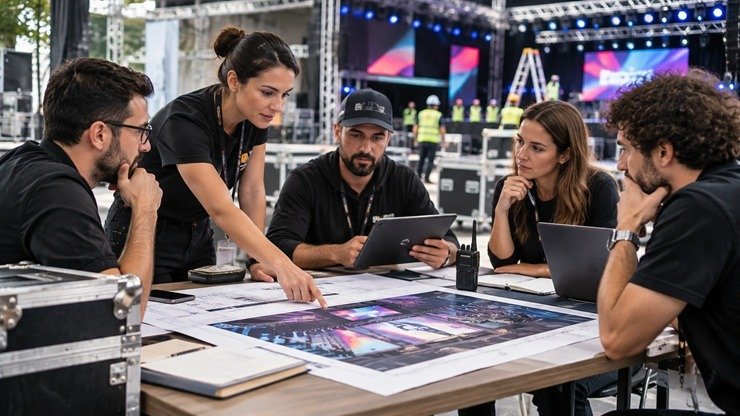
A concept deck can promise a drone swarm over the bay or a hall that transforms between sessions. The deck carries no weight limits or permit timelines, so the gap between a pitch and a build often stays hidden until money is committed.
Checking event concept feasibility early protects the idea itself. When problems surface during design, the team can adapt them on paper. When they surface during load-in, something usually gets cut in a hurry. This article outlines how to pressure-test a bold concept with production specialists and move it from approval to a buildable plan.
Clarify the Non-Negotiable Parts of the Creative Idea
Feasibility reviews fail when nobody knows which parts of the concept can bend. So before any engineer sees the drawings, the creative team needs to state what the event is for and which elements carry that purpose. Let’s start there.
Define the Core Experience and Intended Impact
Start with a one-sentence experience statement that the creative lead and client both sign. It should name the audience and the reaction you expect from them at the peak moment. Then attach a measurable business target, such as a number of qualified leads or dealer orders. Without a figure, nobody can judge if an expensive element earns its cost. Keep both lines at the top of every budget sheet and design review. When a new idea appears mid-project, the team checks it against that statement first and decides in minutes.
Separate Must-Have Features From Optional Enhancements
Sort every element of the concept into two columns. Must-haves deliver the core experience; remove one and the event loses its point. Enhancements add polish and can shrink or disappear without breaking the story.
Good experiential event design keeps the first column short. A product reveal might hinge on one kinetic sculpture, while the scent design and custom furniture around it are adjustable. That split gives producers room to negotiate when quotes come back high.
Test the Concept Against Real-World Constraints
Once priorities are clear, the idea has to survive contact with a real building and a budget. Below are the two reviews that expose most problems before contracts are signed.
Review Venue Footprint, Access, and Safety Requirements
Start with the venue’s drawings and exhibitor or production manual. Compare ceiling height and rigging point capacities against the heaviest and tallest elements in the concept. Measure the loading dock and freight elevator, because a sculpture that can’t fit through the door will need to be built in sections.
Safety rules often decide what is possible. Scenic fabrics and drapes generally must pass flame-resistance testing under NFPA 701. Pyrotechnics in front of an audience fall under NFPA 1126 and local fire marshal approval. Audience-scanning laser shows in the United States require a variance from the FDA, and drone light shows typically need FAA waivers under Part 107. Each approval has its own lead time, so list them early.
Validate Technical Needs, Lead Times, and Budget Assumptions
Event technical feasibility depends on detail. Ask how much power the concept draws and if the venue’s supply covers it or generators are required. Confirm that LED inventory and control systems exist in the quantities the design assumes.
Then check the calendar. Custom fabrication and peak-season rentals can take weeks to secure. Get written quotes for the must-have column and hold a contingency line in the budget for surprises found during the build.
Get Expert Input Before Final Creative Approval
Production knowledge is cheapest at the sketch stage. Here’s how to bring it in before the client signs off on the creative. When creative leads present a concept to producers only after approval, every technical objection sounds like a veto. Bringing creative event production experts into early workshops changes the conversation: technical directors can suggest a lighter material or a reworked layout while the design is still flexible. But how to choose what gets tested, and who holds the final say?
Ask Which Elements Need Prototyping or Technical Tests
Anything new or oversized deserves a test. Projection mapping should run on a sample of the real surface material. Interactive tech needs a load test with the number of simultaneous users expected on show day.
An event production risk assessment ranks each element by likelihood of failure and impact on the guest experience. High scores on both axes get prototyped first.
Confirm Who Signs Off on Feasibility and Revisions
Ambiguous authority stalls projects. A RACI matrix (Responsible, Accountable, Consulted, Informed) names the person who approves each decision, for example the technical director on rigging and the client on brand changes.
Formal event concept approval should come after the feasibility review, and it should record which enhancements were cut or simplified. Later revisions then go through the same sign-off chain.
Create a Practical Path From Concept to Execution
An approved concept still needs a route to opening night. Let’s break it into work packages and fallback options.
Turn the Approved Concept Into Deliverables and Milestones
Solid event production planning splits the idea into deliverables with owners and dates: technical drawings, vendor contracts, fabrication, shop inspection, shipping, load-in and dress rehearsal. Set a creative lock date, after which any design revision requires a formal change request with cost and schedule impact attached.
See every build in person at the workshop before it goes on a truck. Flaws caught there cost far less to fix than ones discovered on the venue floor.
Plan Alternatives for High-Risk Production Elements
Each risky item needs a backup and a decision deadline. If drone show waivers haven’t arrived by a set date, the team switches to a projection sequence planned in parallel. An outdoor reveal that depends on calm wind needs a covered alternative already drawn into the site layout. The fallback should still serve the core experience defined at the start.
Use a Production-Readiness Checklist Before Launch
Before vendors receive final purchase orders, the producer and creative lead should confirm each line below together:
- Core experience and must-have elements documented and agreed.
- Venue dimensions, access and load capacities checked against every major piece.
- Permits, variances and fire marshal approvals identified with lead times.
- Power, equipment availability and written quotes confirmed for must-haves.
- Prototypes or technical tests completed for high-risk elements.
- Sign-off authority recorded for feasibility and revisions.
- Milestone schedule with a creative lock date shared with all vendors.
- Fallback options and decision deadlines set for each high-risk item.
When every line is checked, the concept is ready for creative event production at full scale, with fewer surprises waiting on show day.













How to Create a More Balanced Lifestyle in a Busy World

How Commercial Architecture Services Improve Everyday Workflow

How Does TATA AIG Help You Choose the Right IDV for Your Bike?

Choosing S3-Compatible Cloud Storage in Poland: Security, Scalability and Flexibility

Electric Dirt Bikes and Motorcycles: What Adults Should Know Before Buying

5 Daily-Life Tips for Getting Around in a CAM Walker Boot

Thoughtful Homeowners Are Choosing Certified Solid Wood for Renovations that Last

Business Leaders Are Rethinking Operational Resilience After Unexpected Facility Damage

A Practical Guide To Lower-Cost, More Comfortable Home Heating And Cooling

How to Assess Whether an Ambitious Event Concept Is Production-Ready

100 Motivational Quotes to Inspire You in 2026

How to Create a Vision Board That Actually Works (2026)

22 Best Self-Help Books to Read in 2026

How to Achieve Personal Growth in 2026

New Year Wishes and Quotes to Inspire and Celebrate (2026)

Loeb Smith reviews: Why Crypto Licensing Demands Patience, Structure, and Skepticism

Your Guide to Building the Life You Want as a Medical Professional

AI SEO Tools Every Website Owner Should Know

Redefining Success in a World Obsessed With Hustle

Stand Out This Holiday! Top 10 Unique Christmas Gifts for 2025
-

 Motivation6 years ago
4 Fun New Hobbies To Try This Year
-

 Quotes4 years ago
53 Motivational Gym Quotes to Fuel Gym Workout
-

 Quotes11 years ago
50 Most Powerful Quotes Ever Spoken
-

 Travel2 years ago
Why You Should Travel More: The Many Benefits of Seeing the World
-
 Quotes11 months ago
100 Motivational Quotes to Inspire You in 2026
-

 Quotes4 years ago
Motivational Quotes by Famous People
-

 Quotes3 years ago
43 Inspirational Quotes About Thoughts
-

 Quotes1 year ago
100 Motivational Quotes to Start Your Day with Positivity