
Lifestyle
Thoughtful Homeowners Are Choosing Certified Solid Wood for Renovations that Last

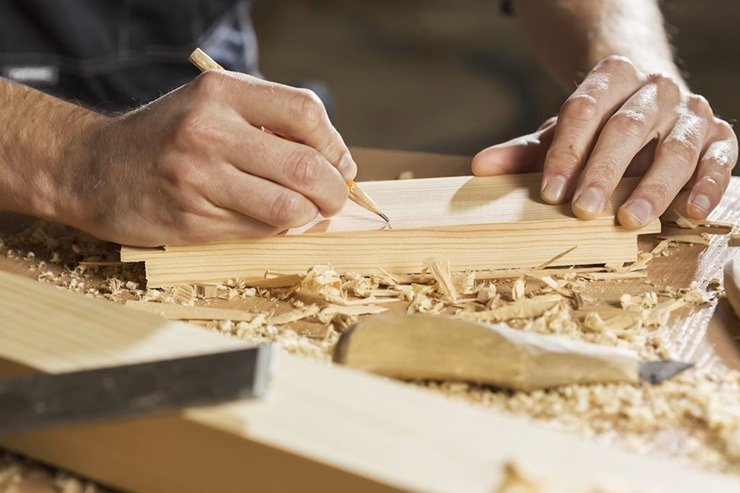
Walking into a big-box hardware store often surrounds you with cheap particleboard and glued wood scraps disguised behind thin plastic veneers. You want remodeling materials that bring genuine warmth into your living space rather than peeling or sagging after a few busy years. More homeowners now reject disposable composite boards in favor of ethically harvested solid hardwood for cabinetry, flooring, and custom furniture.
Choosing real, certified lumber protects your remodeling budget from constant replacement costs. This practical shift turns everyday home upgrades into lasting investments that respect global forests.
Where Do Certified Supply Chains Fit Into Your Remodel?
Sourced properly, natural lumber connects your interior design directly to healthy, well-managed woodlands. When you partner with responsible forestry suppliers offering sustainable timber for flooring, millwork, and framing, you support transparent supply chains from harvest to delivery. Verified origin tracking gives you confidence that your renovation materials never contribute to illegal clear-cutting.
Traceable supply networks document every step of the milling and shipping process. You gain clear visibility into how contractors and manufacturers handle raw logs before those boards reach your front door.
Why Does Kiln-Dried Hardwood Outlast Synthetic Boards?
Synthetic panels like medium-density fiberboard rely on compressed wood dust and heavy resins that crumble under everyday household stress. When water splashes onto a particleboard bathroom vanity or kitchen cabinet, the core swells permanently and ruins the finish. Kiln-dried solid hardwood resists moisture shifts and structural warping because the wood fibers stay intact throughout the entire plank.
Real wood rewards careful maintenance with decades of reliable service inside busy family homes. An analysis by Studio Matrx notes that keeping a solid-wood bed frame for 25 years and regluing the joints twice creates a remarkably small annual environmental footprint. You spend less money over the life of your home because quality timber endures through multiple generations.
How Can You Repair and Refinish Solid Wood Surfaces?
Scratches, pet claws, and dropped kitchen pans happen naturally in any active household. Solid timber gives you a clear maintenance advantage because the natural grain runs continuously from top to bottom. You can sand down deep gouges on an oak dining table or maple floorboard and reveal fresh, unmarked wood right underneath.
Applying a fresh coat of natural oil or low-VOC sealant restores the surface in a single weekend. Synthetic laminates force you to toss the entire cabinet door or countertop into a landfill once the surface paper chips away.
How Do Selective Harvesting and Conservation Zones Protect Biodiversity?
Responsible forestry treats woodland ecosystems as complex living communities rather than simple timber farms. Foresters select individual mature trees for harvest while leaving surrounding younger trees and protective canopies intact. This targeted approach preserves nesting habitats for local wildlife and lets filtered sunlight nourish new seedlings on the forest floor.
Strict conservation zones keep heavy logging equipment away from fragile watersheds, steep slopes, and rare plant species. Local governance plays a major role in keeping these forest boundaries secure. Research highlighted by the Forest Stewardship Council shows that Indigenous communities act as highly effective land stewards, cutting tree-felling rates by roughly 20% when they hold legal rights to their territories.
What Role Does Circular Wood-Waste Energy Play in Milling?
Sawmills generate large piles of bark, wood shavings, and offcuts while shaping raw logs into architectural lumber. Modern, responsible facilities capture every scrap of this leftover wood fiber instead of hauling it to local landfills. Mills burn these clean wood residues in high-efficiency biomass boilers to generate steam and electricity for their own drying kilns.
Running kilns on recycled wood waste dramatically lowers a mill’s dependence on fossil fuels. That circular energy loop reduces the embodied carbon of the finished boards you install in your home.
What Questions Should You Ask Your Lumber Supplier?
Confirming legal, ethical sourcing takes just a few straightforward questions before you sign a contractor estimate or buy materials. Reputable suppliers welcome detailed inquiries and keep digital paperwork ready for homeowners and interior designers.
Key Questions for Your Material Checklist
- Verify origin tracking codes: Ask your dealer to print the certification tracking code directly on your purchase invoice.
- Confirm exact species names: Request the scientific botanical name so you know the wood comes from abundant, non-threatened tree populations.
- Check kiln moisture levels: Ask whether the mill dried the boards to an indoor moisture range of 6% to 8% to prevent future cracking.
Choosing certified solid wood transforms how your home looks, feels, and performs over the long haul. Every durable cabinet, staircase, and hardwood plank brings lasting character into your daily routine while supporting responsible forest stewardship and rural livelihoods. Smart material choices let you build a welcoming living space that stands strong for decades without harming the world’s forests.













Thoughtful Homeowners Are Choosing Certified Solid Wood for Renovations that Last

Business Leaders Are Rethinking Operational Resilience After Unexpected Facility Damage

A Practical Guide To Lower-Cost, More Comfortable Home Heating And Cooling

How to Assess Whether an Ambitious Event Concept Is Production-Ready

How to Build a Study Schedule That Makes Knowledge Stick

Feeling Unsteady? The Common Causes Worth Knowing About

Why Postpartum Mothers Misjudge the Body Contouring Timeline Esthetics Center Specialists Recommend

How to Set a Realistic Home Listing Price Before You Sell

How Ceramic Coating Technology Is Evolving to Deliver Better Vehicle Protection

How to Download and Use Telegram on Any Device

100 Motivational Quotes to Inspire You in 2026

How to Create a Vision Board That Actually Works (2026)

22 Best Self-Help Books to Read in 2026

How to Achieve Personal Growth in 2026

New Year Wishes and Quotes to Inspire and Celebrate (2026)

Loeb Smith reviews: Why Crypto Licensing Demands Patience, Structure, and Skepticism

Your Guide to Building the Life You Want as a Medical Professional

AI SEO Tools Every Website Owner Should Know

Redefining Success in a World Obsessed With Hustle

Stand Out This Holiday! Top 10 Unique Christmas Gifts for 2025
-

 Motivation6 years ago
4 Fun New Hobbies To Try This Year
-

 Quotes4 years ago
53 Motivational Gym Quotes to Fuel Gym Workout
-

 Quotes11 years ago
50 Most Powerful Quotes Ever Spoken
-

 Travel2 years ago
Why You Should Travel More: The Many Benefits of Seeing the World
-
 Quotes11 months ago
100 Motivational Quotes to Inspire You in 2026
-

 Quotes4 years ago
Motivational Quotes by Famous People
-

 Quotes3 years ago
43 Inspirational Quotes About Thoughts
-

 Quotes1 year ago
100 Motivational Quotes to Start Your Day with Positivity