
Business
Business Leaders Are Rethinking Operational Resilience After Unexpected Facility Damage

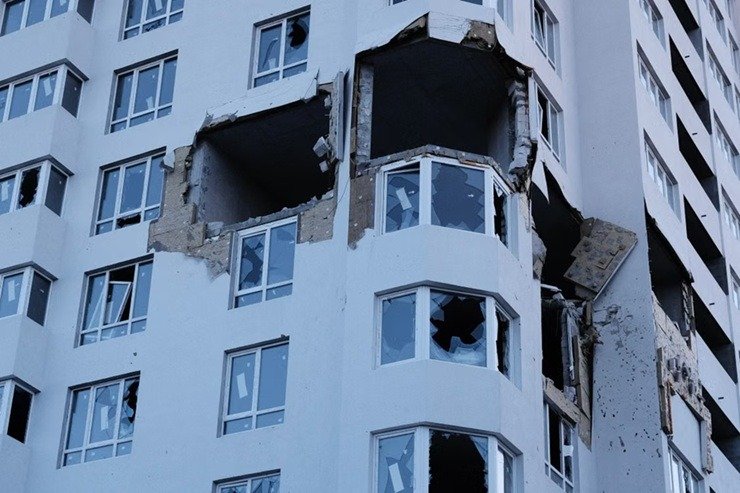
Strong operational resilience relies on more than cloud backups and agile supply chains. Your company’s survival depends on how fast your team can stabilize and reopen physical workspaces after severe storms, burst pipes, or fire damage.
When a roof leaks or smoke fills a warehouse, digital continuity plans alone cannot keep doors open or protect revenue. Treating physical facility recovery as a core pillar of continuity planning helps you safeguard your staff, cash flow, and property value before disaster strikes.
Why Does Delayed Facility Repair Multiply Your Losses?
Every hour your building sits damaged after an emergency, direct repair costs and lost revenue climb together. Standing water warps flooring within hours, while lingering smoke residue corrodes sensitive electronics and inventory. Research from IBM shows that companies strengthen resilience across every core function when they treat preparedness as an ongoing, multi-stage cycle rather than a single fix.
Waiting until after a storm to figure out your response stretches a 3-day cleanup into a multi-week shutdown. Extended closures disrupt customer trust, stall active contracts, and force you to cover ongoing overhead without incoming sales.
How Hidden Moisture and Smoke Stall Daily Operations
Surface cleanup rarely solves the deeper structural risks left behind by water intrusion or fire. Trapped moisture behind drywall breeds mold within 48 hours, creating air quality hazards that prevent employees from returning safely.
Compromised roofing or weakened framing can trigger sudden code violations during municipal inspections. Addressing structural stabilization right away stops minor exposure from turning into a full-scale gut renovation.
How Can You Build a Pre-Loss Continuity Framework?
Waiting for an emergency to map out building recovery leaves your leadership team scrambling under pressure. Analysis from Deloitte advises leaders to focus resilience budgets on the specific physical assets, workflows, and vendor relationships that keep daily operations running and drive long-term growth.
Run Facility Vulnerability Audits
Walk your property with your facilities manager 2 times a year to spot weak points before severe weather arrives. Inspect roof membranes, drainage paths, aging plumbing lines, and backup power connections, then log clear shutoff procedures for water, gas, and electrical mains.
Centralize Your Insurance Documentation
Store updated property valuations, equipment inventories, and policy declarations in a secure cloud folder that key leaders can access from any phone. Capturing baseline photos and videos of your workspace today speeds up claim approvals when an adjuster reviews structural or content losses.
What Should You Look for When Vetting Recovery Partners?
Choosing a response team during an active crisis often forces you to settle for whoever answers the phone first. Smart leaders evaluate a commercial property restoration company months ahead of time so emergency crews already know their floor plans, safety rules, and priority equipment. Confirm that your chosen partner carries 24/7 rapid-dispatch capacity, commercial-grade drying gear, and clear service-level agreements before you sign a master service contract.
Ask prospective vendors how they handle regulatory compliance, hazardous debris, and communication with commercial insurance adjusters. Pre-approved contracts eliminate rate negotiations during an emergency and put mitigation teams on your site within hours.
Coordinating Mitigation and Content Recovery Under One Roof
Splitting emergency cleanup, equipment salvage, and structural repairs across 3 or 4 separate contractors slows down your timeline. When one unified team manages every phase from initial water extraction to final drywall installation, you avoid scheduling bottlenecks and finger-pointing between trades.
- Prioritize emergency stabilization: Rapid board-ups, roof tarping, and water extraction halt ongoing weather exposure immediately.
- Salvage critical business assets: Specialized technicians clean, dehumidify, and restore salvageable machinery, documents, and electronics off-site.
- Track daily moisture metrics: Documented drying logs prove to inspectors and insurers that structural cavities meet safe occupancy standards.
- Align reconstruction schedules: Integrated project managers order long-lead building materials while mitigation crews finish clearing damaged zones.
How Do Single-Source Teams Speed Up Safe Reopening?
Single-source coordination gives you one point of contact who tracks budgets, safety permits, and daily milestones across the entire job. Your managers spend less time chasing subcontractor updates and more time preparing staff and customers for reopening day.
Clear accountability across mitigation and rebuilding keeps your recovery timeline predictable from start to finish.
Treating physical facility recovery as a core pillar of business continuity protects your revenue, your employees, and your long-term property value. When you audit building vulnerabilities, organize insurance records, and pre-vet recovery partners before a crisis hits, your business gains the power to bounce back fast. Start reviewing your facility response protocols today so unexpected damage never dictates the future of your company.












Thoughtful Homeowners Are Choosing Certified Solid Wood for Renovations that Last

Business Leaders Are Rethinking Operational Resilience After Unexpected Facility Damage

A Practical Guide To Lower-Cost, More Comfortable Home Heating And Cooling

How to Assess Whether an Ambitious Event Concept Is Production-Ready

How to Build a Study Schedule That Makes Knowledge Stick

Feeling Unsteady? The Common Causes Worth Knowing About

Why Postpartum Mothers Misjudge the Body Contouring Timeline Esthetics Center Specialists Recommend

How to Set a Realistic Home Listing Price Before You Sell

How Ceramic Coating Technology Is Evolving to Deliver Better Vehicle Protection

How to Download and Use Telegram on Any Device

100 Motivational Quotes to Inspire You in 2026

How to Create a Vision Board That Actually Works (2026)

22 Best Self-Help Books to Read in 2026

How to Achieve Personal Growth in 2026

New Year Wishes and Quotes to Inspire and Celebrate (2026)

Loeb Smith reviews: Why Crypto Licensing Demands Patience, Structure, and Skepticism

Your Guide to Building the Life You Want as a Medical Professional

AI SEO Tools Every Website Owner Should Know

Redefining Success in a World Obsessed With Hustle

Stand Out This Holiday! Top 10 Unique Christmas Gifts for 2025
-

 Motivation6 years ago
4 Fun New Hobbies To Try This Year
-

 Quotes4 years ago
53 Motivational Gym Quotes to Fuel Gym Workout
-

 Quotes11 years ago
50 Most Powerful Quotes Ever Spoken
-

 Travel2 years ago
Why You Should Travel More: The Many Benefits of Seeing the World
-
 Quotes11 months ago
100 Motivational Quotes to Inspire You in 2026
-

 Quotes4 years ago
Motivational Quotes by Famous People
-

 Quotes3 years ago
43 Inspirational Quotes About Thoughts
-

 Quotes1 year ago
100 Motivational Quotes to Start Your Day with Positivity