
Lifestyle
Buying a Waterfront Home on Long Beach Island in 2026: A Practical Due-Diligence Guide

Key Takeaways
- Waterfront homes require careful review of flood risk, insurance, maintenance, and property condition.
- Oceanfront, bayfront, and canal-front homes offer different benefits, costs, and ownership responsibilities.
- Research permits, docks, bulkheads, access rights, and local regulations before making an offer.
- Compare total ownership costs and long-term value, not just the listing price or waterfront view.
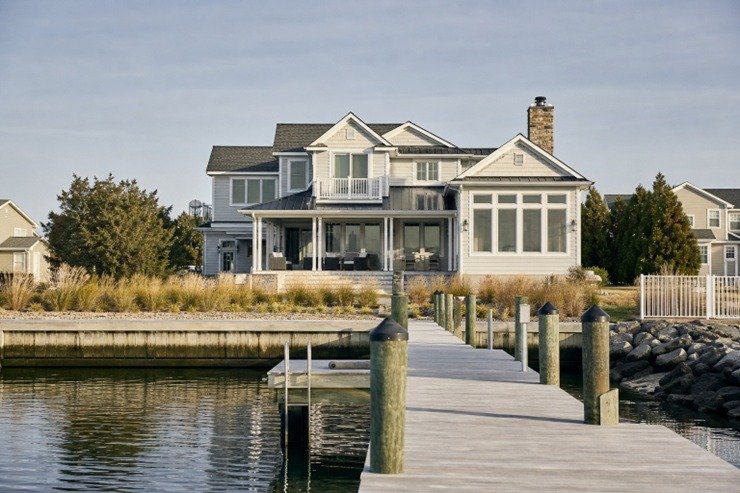
Waterfront living on Long Beach Island can mean open ocean views, bay sunsets, private boating access, and quick walks to the sand. It can also mean a more complex purchase decision. A beautiful view should be the beginning of your research, not the end of it. Before touring homes, review available Long Beach Island, NJ, homes for sale through Beach House Group | SERHANT. Its waterfront listing page helps buyers compare oceanfront, bayfront, and canal-oriented properties across communities, including Long Beach Township, Surf City, Harvey Cedars, Barnegat Light, Ship Bottom, and Beach Haven. Because the group focuses on the island market and its distinct waterfront locations, it can be a useful starting point for understanding how property type, access, and neighborhood affect a home search.
Why Waterfront Homes Need Extra Research
A waterfront home is more than a standard house with a premium view. The location of the water can affect insurance, maintenance, privacy, storm preparation, financing, use of outdoor space, and eventual resale appeal.
- Oceanfront homes may offer direct beach access and expansive views, but can face stronger winds, salt exposure, dune considerations, and high exterior maintenance needs.
- Bayfront homes may provide sunset views, calmer water, and boating potential, although bulkheads, docks, and exposure to tidal conditions require review.
- Canal-front or lagoon-access homes can appeal to boat owners, but water depth, bridge clearance, dock rights, and navigation routes may shape their usefulness.
Even homes on the same block can have very different elevations, drainage, dock conditions, wind exposure, and insurance costs. Treat every address as its own due diligence project.
Start With the Property’s Exact Location
First, look beyond the mailing address. Identify whether the home is oceanfront, oceanside, bayside, bayfront, canal-front, or several blocks from either shore. Note its relationship to dunes, major roads, neighboring homes, public beach entrances, marinas, and commercial areas. Visit more than once a day. A quiet weekday morning can feel very different from a summer weekend, a windy evening, or a high-tide period. Pay attention to parking, traffic, noise, prevailing wind, privacy, water movement, and the ease of reaching groceries, restaurants, medical services, and year-round routes off the island.
Check Flood Maps and Elevation Before Falling in Love
Flood-zone information is essential, but it is not a complete risk assessment. Buyers should understand the difference between a flood zone, base flood elevation, the structure’s lowest finished floor, and the elevation certificate. Construction date, foundation design, drainage, prior water intrusion, and upgrades to the home can all matter. Start by entering the address into the FEMA Flood Map Service Center, the official public source for flood hazard mapping. Then ask a qualified insurance professional, surveyor, or other appropriate specialist to explain what the map information means for the particular structure.
- Request an elevation certificate, if one is available.
- Confirm whether enclosed ground-level areas are used only for permitted storage, parking, or building access.
- Look for flood vents, raised utilities, appropriate breakaway walls, and a foundation suited to coastal conditions.
- Ask for details about prior flooding, storm damage, mold, water intrusion, and completed repairs.
Get Insurance Quotes Before Making an Offer
Do not wait until closing to investigate insurance. Standard homeowners coverage typically does not include flood damage, so that a waterfront buyer may need separate flood coverage in addition to homeowners, wind, and liability coverage, and possibly coverage for docks or other structures.
- Obtain a written homeowners insurance quote for the exact address.
- Request a separate flood insurance quote.
- Ask about wind, hurricane, named-storm, and percentage deductibles.
- Confirm building, contents, loss-of-use, dock, and bulkhead coverage where applicable.
- Ask how elevation, replacement cost, prior claims, and updates to the home affect the premium.
Insurance pricing and availability can change. Current written quotes from licensed insurance professionals are more useful than broad online estimates or assumptions based on a nearby home.
Review Construction and Maintenance Needs
Hire an inspector experienced with coastal construction. Salt air, wind-driven rain, moisture, and seasonal vacancy can affect a property in ways that are easy to miss during a short showing. A newer home may still require close review.
- Inspect the roof, siding, windows, doors, decks, stairs, railings, pilings, and outdoor shower.
- Check for corrosion on fasteners, HVAC equipment, electrical components, and exterior metalwork.
- Review heating, cooling, plumbing, electrical systems, generators, and sump or drainage equipment.
- Ask about the condition and age of appliances, bulkheads, seawalls, docks, and boat lifts.
- Confirm that material renovations, lifts, pools, and additions received required permits.
Study Waterfront Features and Access Rights
A private dock, boat lift, bulkhead, or direct canal frontage can add practical and lifestyle value. Each feature also brings maintenance obligations and potential regulatory issues. Verify what is included in the sale, what is legally permitted, and who is responsible for repairs.
- Review dock permits, shared-use agreements, and repair responsibilities.
- Check water depth, tidal conditions, and bridge clearance for the boat you plan to use.
- Ask about the bulkhead’s age, inspection history, and likely replacement cost.
- Review surveys, easements, riparian rights, and shared driveways or access areas.
- Consider whether neighboring construction could affect a view, privacy, or water access.
Compare Lifestyle Value With Carrying Costs
Build an annual ownership budget, not just a purchase budget. Include property taxes, insurance, utilities, storm preparation, landscaping, cleaning, repairs, dock work, pest control, and off-season monitoring. If you expect rental income, also account for registration requirements, management fees, turnover costs, taxes, and periods when the property may be vacant.
Check Local Rules Before Planning Rentals or Renovations
Rules can vary by municipality, so verify requirements with the applicable local offices before relying on rental income or planning a project. Check short-term rental rules, occupancy limits, parking requirements, noise restrictions, trash procedures, zoning, and approvals for pools, decks, lifts, additions, or major exterior work. Coastal planning requirements can also affect future improvements, especially where flooding, erosion, or shoreline conditions are involved.
Use a Local, Detail-Oriented Review Team
Waterfront transactions often require a wider group of professionals than a typical home purchase. Depending on the property, your team may include a real estate professional, a real estate attorney, a coastal-experienced inspector, a lender, an insurance agent, a surveyor, a contractor, and a marine or bulkhead specialist. Their findings should guide your negotiations and contingencies.
A Simple Offer-Preparation Checklist
- Confirm the full budget, including insurance and likely repairs.
- Review flood mapping, elevation, drainage, and prior damage history.
- Obtain written insurance estimates before submitting an offer.
- Review disclosures, permits, survey information, title records, and waterfront rights.
- Inspect the house and every waterfront structure.
- Verify rental, zoning, renovation, and dock rules.
- Use contract terms that allow sufficient time for inspections and insurance review.
Questions Buyers Often Ask
Is a waterfront home always a better investment?
No. Waterfront homes may have scarcity, strong lifestyle appeal, and rental potential, but they can also have higher carrying costs and specialized maintenance needs. Value depends on the home’s location, condition, legal access, and your long-term plans.
Should buyers avoid older waterfront homes?
Not necessarily. Older homes can offer excellent locations, character, and renovation potential. They require a thorough review of structure, elevation, systems, permits, and storm history.
When should insurance research begin?
Begin before making an offer. Early insurance research can reveal costs or coverage issues that materially affect whether the property fits your budget.
Conclusion
A Long Beach Island waterfront home can provide exceptional views, outdoor living, and direct water access. A careful buyer also investigates flood exposure, insurance costs, construction quality, permits, maintenance requirements, access rights, and local regulations before committing. Reviewing inspections, ownership expenses, and waterfront features early can reveal issues that are not obvious during a showing. Comparing multiple properties based on total ownership costs, condition, and long-term value helps buyers make a more informed decision. Taking the time to complete thorough due diligence helps ensure the beautiful view comes with a property that supports both your lifestyle and your long-term budget while reducing the risk of unexpected expenses after closing.














The Overlooked Parts of Personal Health That Matter More Than You Think

Here is What Road Travelers Need to Know about Navigating Dense Urban Traffic Corridors

How Exploring Portugal Pathways Enhances Your Cultural Experience

How Microneedling Treatment at Anne Therese Transforms Skin Texture

Why Saying “Yes” is More than a Milestone: It’s a Mindset Shift

Success at Work, Meaning at Home: Redefining What a Successful Life Looks Like

Hit by a Lyft Driver? Steps to Protect Your Health and Your Claim

How Financial Planning Can Help You Build a More Secure Future

Underground Water Leak Detection Services: Essential Considerations for Homeowners

Why People Wear Fragrance Even When They’re Staying Home

100 Motivational Quotes to Inspire You in 2026

How to Create a Vision Board That Actually Works (2026)

22 Best Self-Help Books to Read in 2026

How to Achieve Personal Growth in 2026

New Year Wishes and Quotes to Inspire and Celebrate (2026)

Loeb Smith reviews: Why Crypto Licensing Demands Patience, Structure, and Skepticism

From Denver to Vail: Secrets, Snow, and Soul of the Rockies

How to Choose the Best Manali Tour Package for a Family-Friendly Vacation?

Your Guide to Building the Life You Want as a Medical Professional

Romantic Cabins In Tennessee: A Guide to Location, Privacy, And Scenic Views
-

 Motivation6 years ago
4 Fun New Hobbies To Try This Year
-

 Quotes4 years ago
53 Motivational Gym Quotes to Fuel Gym Workout
-

 Quotes11 years ago
50 Most Powerful Quotes Ever Spoken
-

 Travel2 years ago
Why You Should Travel More: The Many Benefits of Seeing the World
-
 Quotes10 months ago
100 Motivational Quotes to Inspire You in 2026
-

 Quotes3 years ago
43 Inspirational Quotes About Thoughts
-

 Quotes4 years ago
Motivational Quotes by Famous People
-

 Quotes1 year ago
100 Motivational Quotes to Start Your Day with Positivity