
Health
Myths About Dermaplaning That You Should Ignore

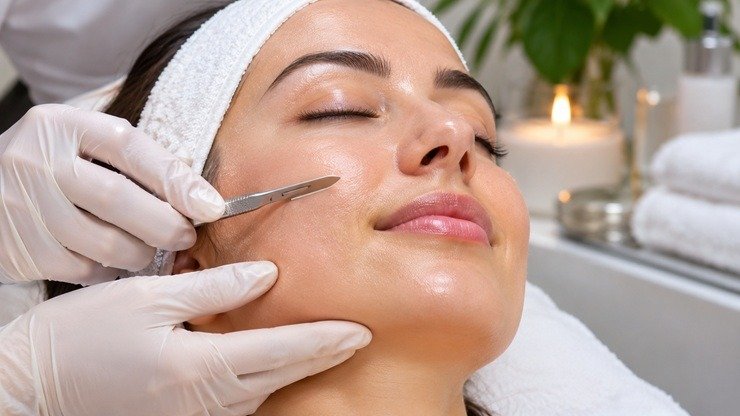
If you’ve ever looked into dermaplaning, you’ve probably come across some pretty conflicting advice. Some people swear by it for achieving smoother, brighter skin, while others worry that it could make their facial hair grow back thicker or damage their complexion. With so much misinformation floating around, it’s easy to feel unsure about whether it’s worth trying.
The truth is that dermaplaning is a relatively simple exfoliating treatment, and many of the concerns surrounding it are based on common misconceptions. These are some of the biggest myths you can safely stop believing.
Myth 1: Your Facial Hair Will Grow Back Thicker
This is probably the most common dermaplaning myth, and it’s also one of the easiest to debunk. Dermaplaning removes fine facial hair, often called peach fuzz, using a sterile blade. However, it doesn’t change the structure of your hair follicles or influence how quickly your hair grows. When your hair starts growing back, it might initially feel slightly different because the ends have been cut bluntly. However, it won’t actually be thicker, darker, or coarser than before.
Myth 2: Dermaplaning Is Painful
The idea of having a blade moved across your face might sound intimidating, but professional dermaplaning shouldn’t be painful. The treatment involves gently scraping away dead skin cells and fine hairs from the surface of your skin. You might notice a light scratching sensation, but most people find the experience comfortable. When performed correctly, it shouldn’t involve cuts or significant discomfort.
Myth 3: It’s Only Worth Getting If You Wear Makeup
It’s true that dermaplaning can help your makeup sit more smoothly on your skin, but that’s far from its only benefit. Removing the buildup of dead skin cells can leave your complexion looking fresher and feeling noticeably softer. If you’re interested in professional exfoliation, providers such as dermani MEDSPA® can help you explore whether dermaplaning is suitable for your skin. You don’t have to wear makeup regularly to appreciate the results.
Myth 4: Dermaplaning Makes Your Skin More Prone To Breakouts
You might have heard that dermaplaning causes acne, but this isn’t necessarily true. By removing dead skin cells from the surface, the treatment can help prevent some of the buildup that contributes to clogged pores. However, dermaplaning isn’t suitable for everyone. If you have active acne, irritated skin, or certain inflammatory skin conditions, the treatment could make things worse. That’s why getting professional advice beforehand is important.
Myth 5: You Only Need One Treatment For Permanent Results
While dermaplaning can leave your skin feeling beautifully smooth after one session, the results aren’t permanent. Your skin naturally produces new cells, and facial hair gradually grows back. For this reason, some people choose to schedule treatments every few weeks, depending on their skin’s needs and their provider’s recommendations. Regular treatments can help maintain the results, but there’s no need to overdo it.
Don’t Let Myths Put You Off
Dermaplaning can be a great addition to your skincare routine when it’s performed correctly and suited to your skin type. Rather than allowing misconceptions to influence your decision, speak to a qualified professional who can explain what the treatment involves. With realistic expectations and the right advice, you can decide whether dermaplaning is the skincare treatment you’ve been looking for.




Myths About Dermaplaning That You Should Ignore

How to Rebuild Your Daily Routine After a Serious Injury

How Virtual Crypto Cards Simplify USDT Spending

How To Compare Houston, Texas Neighborhoods Before Buying a Home

Interactive Museums in Miami, Florida: Five Hands-On Attractions Worth Visiting

Why Short Financial Gaps Need Different Solutions

How Admissions Teams Use Viddo AI For Campus Walkthroughs

The Trouble with Being Right

Remembering With Love: Meaningful Ways to Honor Someone After Loss

5 Things to Know Before Your First Art Auction

100 Motivational Quotes to Inspire You in 2026

How to Create a Vision Board That Actually Works (2026)

22 Best Self-Help Books to Read in 2026

How to Achieve Personal Growth in 2026

New Year Wishes and Quotes to Inspire and Celebrate (2026)

Loeb Smith reviews: Why Crypto Licensing Demands Patience, Structure, and Skepticism

Your Guide to Building the Life You Want as a Medical Professional

Romantic Cabins In Tennessee: A Guide to Location, Privacy, And Scenic Views

AI SEO Tools Every Website Owner Should Know

What to Put in Diaper Bag: The Ultimate Checklist for Parents on the Go All the Time
-

 Motivation6 years ago
4 Fun New Hobbies To Try This Year
-

 Quotes4 years ago
53 Motivational Gym Quotes to Fuel Gym Workout
-

 Quotes11 years ago
50 Most Powerful Quotes Ever Spoken
-

 Travel2 years ago
Why You Should Travel More: The Many Benefits of Seeing the World
-
 Quotes11 months ago
100 Motivational Quotes to Inspire You in 2026
-

 Quotes3 years ago
43 Inspirational Quotes About Thoughts
-

 Quotes4 years ago
Motivational Quotes by Famous People
-

 Quotes1 year ago
100 Motivational Quotes to Start Your Day with Positivity