
Health
Simple Ways to Monitor the Health of Chickens and Farm Animals

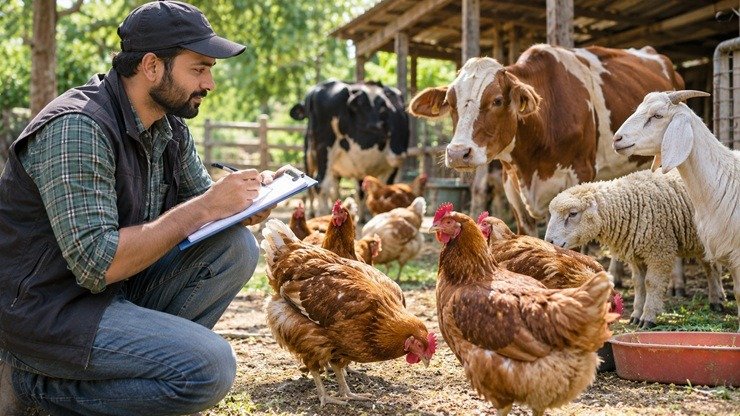
Keeping farm animals healthy requires more than good intentions, it demands consistent observation and practical knowledge. Most serious health problems in chickens and livestock begin with subtle changes that untrained eyes often miss until it’s too late. Yet identifying these early warning signs doesn’t require expensive equipment or veterinary training. A few simple daily practices can mean the difference between a thriving flock and costly losses, starting with knowing exactly what to look for.
Spotting Early Signs of Illness Through Daily Animal Observations
Daily observation serves as the foundation of effective livestock health management, enabling farmers to detect subtle changes in behavior, appearance, and physical condition before minor issues escalate into serious health crises.
Key indicators include monitoring feed and water consumption patterns, as decreased appetite often signals underlying problems. Observing droppings for consistency, color, and frequency provides valuable insights into digestive health.
Farmers should note changes in posture, such as hunching or reluctance to stand, and respiratory signs like labored breathing or nasal discharge. Abnormal behaviors warrant attention: isolation from the flock, reduced activity levels, or unusual vocalizations.
Physical examinations should check for eye clarity, feather condition, comb color, and overall body weight. Documenting these observations creates baseline data for identifying deviations from normal health patterns.
Monitoring Appetite, Water Intake, Weight, and Activity Levels
Systematic tracking of consumption patterns, body weight, and behavioral activity provides quantifiable data that transforms subjective observations into actionable health metrics. Establishing baseline measurements for individual animals or groups enables detection of significant deviations. Feed consumption should be monitored daily, noting any sudden decreases exceeding 20% of normal intake. Water consumption requires equal attention, as reduced drinking often precedes visible illness by 24-48 hours.
Weekly weight checks identify gradual losses that escape casual notice, with drops exceeding 5% warranting investigation. Activity levels demand structured observation periods, recording mobility patterns, social interactions, and time spent foraging or resting. Digital tools, simple spreadsheets, or written logs maintain consistent records. Comparing current data against historical averages reveals trends before clinical symptoms emerge, facilitating early veterinary intervention.
Checking Feathers, Eyes, Feet, and Body Condition for Health Changes
Physical examination of external features complements quantitative monitoring by revealing condition changes invisible in numerical data alone. Feathers should appear smooth, glossy, and intact, with missing patches or dullness indicating parasites, nutritional deficiencies, or stress.
Eyes must be bright, clear, and alert; cloudiness, discharge, or swelling signals infection or injury. Feet require inspection for cuts, swelling, bumblefoot lesions, or overgrown nails that impair mobility. Body condition assessment involves palpating the breastbone to evaluate muscle mass and fat coverage. A prominent keel bone suggests underweight status, while excessive fat indicates overfeeding.
Regular physical examinations establish baseline conditions, enabling early detection of disease, injury, or environmental stressors before they escalate into serious health problems requiring veterinary intervention.
How to Check if Eggs Are Fresh and Identify Signs of Poor Egg Quality
Egg quality assessment provides critical insight into flock health, nutrition adequacy, and production system effectiveness. Learning how to check if eggs are fresh can help producers and consumers identify age-related changes and potential quality concerns. Fresh eggs sink in water, while older eggs float due to enlarged air cells. Candling reveals internal defects like blood spots, meat spots, or unusual yolk movement. Shell quality indicates calcium metabolism; thin, rough, or cracked shells suggest nutritional deficiencies or stress.
Yolk color reflects diet composition, ranging from pale yellow to deep orange. Fresh yolks stand tall and firm, while degraded ones flatten and break easily. Albumin thickness decreases with age; watery whites indicate poor quality or improper storage. Unusual odors signal bacterial contamination or spoilage. Poor egg quality patterns warrant immediate investigation of feed formulation, housing conditions, disease presence, and management practices affecting the flock.
Keeping Housing, Bedding, Feeders, and Water Sources Clean
Clean housing forms the foundation of disease prevention and ideal flock performance. Regular removal of manure, soiled bedding, and debris prevents bacterial growth and ammonia buildup that compromise respiratory health.
Replace bedding materials weekly or when moisture levels increase, ensuring dry surfaces that discourage pathogen proliferation. Feeders require daily inspection to remove moldy or wet feed that harbors toxins. Positioning feeders at appropriate heights reduces contamination from droppings. Water sources demand even greater attention, as stagnant water breeds harmful bacteria within hours. Clean and refill waterers daily, scrubbing containers to eliminate biofilm formation.
Monthly deep cleaning involves disinfecting all surfaces, replacing all bedding, and allowing housing to dry completely before reintroducing animals. This systematic approach markedly reduces disease transmission and maintains ideal conditions for animal health.
Watching for Parasites, Respiratory Problems, and Unusual Behavior
Beyond maintaining sanitary conditions, vigilant observation forms the second line of defense in protecting flock health. Daily inspection should include checking for external parasites like mites, lice, and ticks, particularly around vents, under wings, and on combs. Examine droppings regularly for signs of internal parasites, including worms or blood.
Respiratory issues manifest through wheezing, coughing, nasal discharge, or labored breathing. Early detection prevents spread throughout the flock. Monitor eyes for swelling, discharge, or cloudiness.
Behavioral changes signal underlying problems. Watch for lethargy, reduced appetite, social withdrawal, limping, or abnormal posturing. Healthy birds display alertness, steady movement, and consistent eating patterns. Birds exhibiting multiple symptoms require immediate isolation and veterinary consultation to prevent disease transmission and guarantee proper treatment.
Maintaining Simple Health Records to Track Changes Over Time
While daily observation provides immediate insights, systematic record-keeping reveals patterns that would otherwise go unnoticed. A simple notebook or spreadsheet documenting dates, symptoms, treatments, and outcomes creates a valuable reference for identifying recurring issues.
Recording weight changes, egg production rates, feed consumption, and mortality events helps establish baseline norms for each animal or flock. When deviations occur, previous records provide context for determining severity and appropriate responses.
Health records prove particularly useful when consulting veterinarians, as detailed histories enable faster diagnoses. They also help track vaccination schedules, deworming dates, and medication withdrawal periods before processing animals for consumption. Digital photos dated and stored chronologically document physical changes that develop gradually, making subtle deterioration visible when comparing images across weeks or months.




Running Research Labs: Essential Resources to Enhance Operations

Simple Ways to Monitor the Health of Chickens and Farm Animals

Losing Important Travel Documents Doesn’t Have to Ruin Your Plans

Why Baltimore First Responders Choose EMDR Therapy Baltimore for Operational Stress Injuries

Feeding for Recovery: What Helps Horses Bounce Back After Hard Work

Why Local Businesses in Houston Utilize Storage Units Houston Tx for B2B Operations

Think Outside the Brief: How Taking Creative Risks Can Help a Brand Stand Out

How Securing Long Island Event Rentals Prevents Last-Minute Weather Delays

What Happens When You’re Injured During a Guided Tour?

Westchester Airport Car Rental (HPN): Guide, Tips, Pricing

100 Motivational Quotes to Inspire You in 2026

How to Create a Vision Board That Actually Works (2026)

22 Best Self-Help Books to Read in 2026

How to Achieve Personal Growth in 2026

New Year Wishes and Quotes to Inspire and Celebrate (2026)

Loeb Smith reviews: Why Crypto Licensing Demands Patience, Structure, and Skepticism

How to Choose the Best Manali Tour Package for a Family-Friendly Vacation?

Your Guide to Building the Life You Want as a Medical Professional

Romantic Cabins In Tennessee: A Guide to Location, Privacy, And Scenic Views

AI SEO Tools Every Website Owner Should Know
-

 Motivation6 years ago
4 Fun New Hobbies To Try This Year
-

 Quotes4 years ago
53 Motivational Gym Quotes to Fuel Gym Workout
-

 Quotes11 years ago
50 Most Powerful Quotes Ever Spoken
-

 Travel2 years ago
Why You Should Travel More: The Many Benefits of Seeing the World
-
 Quotes11 months ago
100 Motivational Quotes to Inspire You in 2026
-

 Quotes3 years ago
43 Inspirational Quotes About Thoughts
-

 Quotes4 years ago
Motivational Quotes by Famous People
-

 Quotes1 year ago
100 Motivational Quotes to Start Your Day with Positivity