
Lifestyle
The Future of Home Living: Things That Are Changing Everyday Comfort


Imagine returning to a future technology home where temperature, lighting, and air quality adjust before you step inside. Advances in future home tech, energy management, and health monitoring are reshaping daily comfort.
In this guide, you will discover how:
- Smart home systems have evolved from manual controls to unified, sensor-driven platforms
- Artificial intelligence predicts needs for climate, lighting, and maintenance
- Sustainable energy solutions balance solar power, storage, and grid rates
- Health-centric innovations monitor air, water quality, and sleep patterns
- Open standards and next-gen security protect devices and data
- Modular design and circular tech support easier upgrades and less waste
- AR and VR tools enhance home design and decision-making
Whether planning a new build, upgrading an existing setup, or exploring home technology future, this guide shows what to expect and how to prepare.
Let’s begin by exploring the evolution of smart home technology.
The Evolution of Smart Home Technology
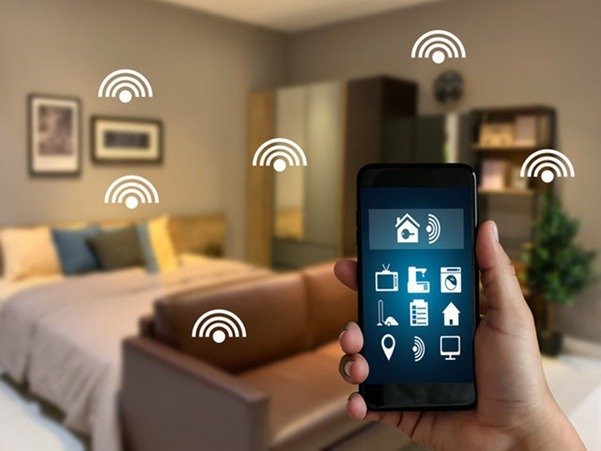
Smart home technology has transformed everyday comfort and offers a view of home technology in the future. Automation has moved from standalone gadgets to ecosystems that sense, analyze, and act on environmental data.
From Manual to Digital Control
Early homes relied on a mechanical thermostat or a toggle switch to manage heating and lighting. Today’s smart thermostats learn daily routines, adjusting temperature via smartphone apps or voice commands. This shift toward future technology homes reduces energy use while maintaining comfort.
Standardized Connectivity
Open IoT protocols such as Zigbee, Matter, and Wi-Fi have broken down vendor silos. Central hubs like Amazon Alexa, Google Assistant, and Apple HomeKit enable seamless device interoperability. Users can control multiple brands from a single interface, showing the promise of a technology-home future.
Unified Platforms and Sensing
Standalone smart bulbs and speakers have given way to integrated platforms. A single routine can lock doors, adjust lights, and set climate controls. Multi-parameter sensors track temperature, humidity, air quality, and water leaks to provide real-time data for predictive comfort and maintenance alerts.
AI-Powered Predictive Automation
AI-powered systems now connect climate, lighting, and maintenance tools in the future of home technology. Machine learning models analyze patterns and adjust settings before you ask. The result is seamless comfort, fewer disruptions, and energy savings.
Predictive Climate Control
AI-driven thermostats collect time-series data on temperature and humidity. They learn daily habits and adjust heating and cooling automatically. Some models cut energy bills by up to 20%. Over time, these home technology future systems refine settings to match evolving routines.
Occupancy-Based Lighting
Deep learning sensors detect presence in real time. Lights adapt to movement and schedules. Hallways, kitchens, and workspaces brighten when occupied and dim or switch off when empty. This hands-free approach balances convenience and efficiency.
Smart Maintenance Alerts
Predictive maintenance tools analyze IoT sensor streams for anomalies. They send alerts for filter replacements, system faults, and performance dips. Early warnings prevent appliance failures, reduce repair costs, and extend device lifespans. This aspect of technology in the home in the future raises reliability and lowers downtime.
Sustainable Energy Management
Sustainable energy management in future technology home setups goes beyond simple thermostat control. It uses solar arrays, battery storage, grid data, and AI to balance cost, resilience, and emissions.
Solar and Storage Integration
Home energy systems combine rooftop PV, battery banks, and smart inverters. AI-driven platforms use weather forecasts and consumption data to schedule charging and discharging. They limit grid demand during high-rate periods and ensure backup power. Homeowners can also join demand response programs to earn incentives.
Blockchain Peer-to-Peer Energy Trading
In local microgrids, homeowners with excess solar can trade energy peer-to-peer via blockchain networks. Smart contracts automate transactions and settlement without central intermediaries. Each kilowatt-hour gets logged on a distributed ledger for transparent auditing. This model reduces transaction fees and strengthens community resilience.
Time-of-Use Optimization
Time-of-use (TOU) tariffs offer varying rates by hour. Advanced controllers integrate tariff schedules with solar forecasts and battery state of charge. They shift high-load tasks, such as EV charging or water heating, to low-rate windows. AI algorithms learn usage patterns and adjust schedules to maximize savings, lower bills, and extend battery life.
Health-Centric Home Innovations
Home technology of the future will put health at the core of comfort. Innovations in air, water, and wellness monitoring make daily living safer and more personalized.
Air and Water Quality Monitoring
Clean air and safe water form the foundation of a healthy home environment. IoT air sensors measure volatile organic compounds (VOC), particulate matter (PM2.5), carbon dioxide, and formaldehyde in real time. Home hubs analyze data and adjust ventilation or trigger purifiers automatically. These features illustrate house future technology in action.
Parallel water-monitoring systems track pH, turbidity, and consumption patterns. They send alerts for leaks or unusual usage that may signal plumbing issues or hygiene lapses. Integrated dashboards provide clear insights and proactive control over indoor air and water quality.
Sleep and Wellness Tracking
Smart home innovations now include nonintrusive sleep monitoring with passive bed sensors. Devices capture restlessness, sleep interruptions, pulse rate, and respiration patterns without wearables. In-home sleep apnea testing kits add clinical sleep stage analysis and breathing event detection.
Wearable devices such as continuous glucose monitors, smart scales, and blood pressure trackers feed data into unified platforms. Biofeedback systems track heart rate variability to support stress management and wellness routines. Continuous remote monitoring enables early intervention, improving long-term health outcomes and reducing in-person visits. These systems highlight the future of home tech in personal care.
Interoperability and Next-Gen Security
Open standards and advanced security measures ensure devices communicate smoothly and stay protected. This is critical for home technology of the future.
Matter and Cross-Brand Harmony
Matter protocol provides a unified application layer that bridges devices from multiple brands. With Matter 1.5 released by the Connectivity Standards Alliance, support expanded to cameras, closures, and energy management. Homeowners can now mix smart locks, sensors, and lighting from certified vendors with confidence, showcasing home technology of the future.
OS platforms like Nice’s Yubii OS and ELAN OS integrate over 3,000 third-party products. Hubs such as Samsung SmartThings and Hubitat Elevation act as central controllers, delivering a consistent experience and reducing fragmentation in future technology homes.
Quantum Encryption and Edge Computing
As home networks grow, conventional encryption may become vulnerable to quantum attacks. Post-quantum key distribution methods and encryption algorithms are being tested to safeguard device communication. Quantum key distribution (QKD) promises unbreakable links by detecting eavesdropping at the photon level.
Edge computing complements this approach by handling sensitive operations locally. Lightweight, quantum-resistant algorithms run on gateways or smart hubs, limiting data exposure to external networks. Together, these technologies form a layered defense model that protects personal data and critical controls.
Circular and Modular Home Tech
Design for circularity and modularity will shape technology in the home in the future. It supports sustainable upgrades and reduces waste.
Modular Design for Upgrades
Virtual reality and 3D modeling tools let homeowners visualize and customize module layouts. AI recommendation engines analyze lifestyle data to suggest optimal layouts, eco-friendly materials, and energy-saving features. This approach underlines technology-home future design principles.
Repairable Components and Waste Reduction
Standardized modules contain swappable electronics and plumbing fixtures. Smart leak detection and automated irrigation systems minimize water waste. Easily replaceable parts encourage repairs over full replacements, cutting electronic waste.
Seamless Smart System Integration
Integrating smart thermostats, lighting, and appliances during construction creates cohesive networks. Connection to solar panels and battery storage enables real-time power optimization. Future upgrades plug into existing modules, simplifying technology refresh and supporting sustainable living.
AR/VR for Enhanced Home Design and Comfort
AR and VR are key to the home technology of the future, helping with design, comfort, and decision-making.
Virtual Staging and Interactive Layouts
AR and VR tools let homeowners step into a 3D model of their project. Users can move furniture, test color palettes, and compare design styles in real time. Instant layout updates cut decision time and limit on-site revisions, reflecting the future of home technology.
Remote Collaboration and Cost Efficiency
VR platforms support shared presentations and live feedback loops between designers and clients. Industry surveys show over 70% of U.S. firms use VR to streamline workflows and boost engagement. Eliminating physical prototypes cuts costs and expands access to professional services. Tools such as Cedreo, Planner 5D, and RoomSketcher offer photorealistic staging and immersive prototyping.
Conclusion
The future of home technology is evolving faster than ever. By combining smart systems, AI-driven automation, sustainable energy, health monitoring, robust security, modular design, and AR/VR tools, tomorrow’s homes will be more responsive, efficient, and personalized than today’s.
Key takeaways:
- Smart home platforms now link climate, lighting, security, and maintenance into one unified ecosystem
- AI-driven automation learns patterns to optimize comfort and energy use without manual input
- Solar arrays, battery storage, and grid rate intelligence lower costs and reduce emissions
- Real-time air, water, and sleep monitoring puts health front and center in living spaces
- Open protocols like Matter plus quantum-resistant encryption ensure device harmony and strong data protection
- Modular construction and repair-friendly components cut waste and support sustainable upgrades
- AR and VR design tools let you visualize, test, and refine home layouts before construction or renovation
Embracing these trends today means a home that grows with your needs, adapts to new technologies, and stays ahead of changing demands. The future home tech is within reach and promises comfort, efficiency, and peace of mind for everyone.












How to Build an Investment Plan That Can Handle Market Swings

How Coastal Storms Overwhelm Residential Pipes During Drain Cleaning in Miami

How Skin Renewal Microneedling at Anne Therese Transforms Dull Skin

Natural Remedies Are Shaping the Next Generation of Mindful Lifestyles

What Visitors Should Know About Miami Roads, Rental Cars and Road Accidents

5 Signs You’re Not Just Busy, You’re Overwhelmed

How Hiring Emergency Water Damage Restoration Service Prevents Structural Rot

Planning a Lahore Heritage Break with Time to Explore

How Small Businesses Can Make Cross-Border Payments Faster, Clearer, and More Reliable

How Tampa Businesses Can Choose a Commercial Location

100 Motivational Quotes to Inspire You in 2026

How to Create a Vision Board That Actually Works (2026)

22 Best Self-Help Books to Read in 2026

How to Achieve Personal Growth in 2026

New Year Wishes and Quotes to Inspire and Celebrate (2026)

Loeb Smith reviews: Why Crypto Licensing Demands Patience, Structure, and Skepticism

How to Leverage Personal Development for Career Advancement

Top Fitness Coach Certification Programs for Aspiring Trainers

From Denver to Vail: Secrets, Snow, and Soul of the Rockies

How to Choose the Best Manali Tour Package for a Family-Friendly Vacation?
-

 Motivation6 years ago
4 Fun New Hobbies To Try This Year
-

 Quotes4 years ago
53 Motivational Gym Quotes to Fuel Gym Workout
-

 Quotes11 years ago
50 Most Powerful Quotes Ever Spoken
-

 Travel2 years ago
Why You Should Travel More: The Many Benefits of Seeing the World
-
 Quotes10 months ago
100 Motivational Quotes to Inspire You in 2026
-

 Quotes3 years ago
43 Inspirational Quotes About Thoughts
-

 Quotes4 years ago
Motivational Quotes by Famous People
-

 Quotes1 year ago
100 Motivational Quotes to Start Your Day with Positivity