
Lifestyle
Before You Call for HVAC Repair in Vancouver: How to Read the Signs and Check the Basics

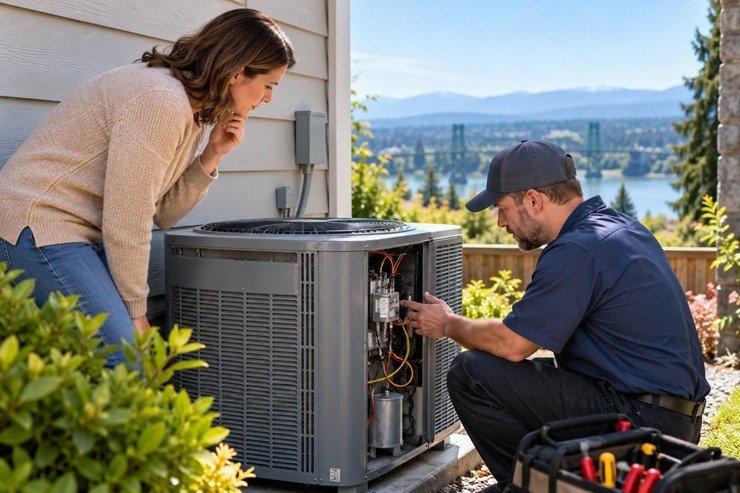
Damp winters, cool spring nights, and short summer heat waves make HVAC systems in Vancouver work in every season. When your heat pump or furnace starts acting up, a little informed observation can help you describe the problem clearly and avoid preventable damage. This guide explains the early warning signs, what those symptoms often mean, and the safe checks you can complete in minutes. It focuses on common equipment in local homes, including heat pumps, gas furnaces, air handlers, and central air conditioners, and uses plain language to describe parts such as blower motors, evaporator coils, capacitors, and condensate drains. If anything involves gas, live wiring, or refrigerant, stop and call a qualified technician.
1. Specific HVAC symptoms you can spot early in Vancouver’s climate
Start with what you can see, hear, and feel. Loud squealing or grinding from the air handler points to a failing blower motor or a worn belt. A heat pump that emits a short foggy plume and a whoosh in winter may be in defrost mode, which is normal, but a unit encased in a thick ice shell is not. Weak airflow at several supply registers, rooms that never reach setpoint, or sticky indoor air in summer suggest airflow or refrigerant problems. Odors are telling too: a musty smell often tracks back to a clogged condensate drain or a dirty evaporator coil, while a sharp electrical smell must be treated as an emergency. Short cycling, where the system turns on and off every few minutes, is another red flag.
Pay attention to combinations of clues. For example, a rising electric bill, lukewarm supply air, and frost on the refrigerant line often point to a refrigerant charge or airflow issue. If your own quick checks do not resolve mild symptoms, it is reasonable to consult local help through Vancouver HVAC repair services so a technician can test components under load before a compressor or control board fails completely.
2. What those signs usually mean: from frozen coils to failing capacitors
Many problems trace back to airflow and refrigerant. A clogged return filter restricts airflow (cubic feet per minute) across the evaporator coil, which can freeze the coil in cooling mode or cause a furnace heat exchanger to overheat, tripping the high-limit switch. Frost on the outdoor heat pump beyond a brief defrost cycle points to low airflow through the outdoor coil or a low refrigerant charge; a hissing sound may indicate a leak. A buzzing outdoor unit with a fan that will not start often means a failed start capacitor or contactor. Musty odors and intermittent shutoffs commonly result from a clogged condensate pan triggering a float switch. Duct leaks at a plenum or in the attic reduce delivery to distant rooms and make the system run longer, which accelerates blower wear. Here is a realistic example: after leaf cleanup, a ranch home’s heat pump began tripping its breaker. Wet leaves were packed into the outdoor coil, spiking head pressure. Clearing debris and washing the coil after the power was disconnected restored normal operation.
3. Safe checks you can do in minutes
Confirm thermostat basics first: correct mode (Heat, Cool, or Auto), reasonable setpoint, fresh batteries if it has them, and Fan set to Auto rather than On to avoid re-evaporating moisture in summer. Inspect the return filter for dust buildup; note its size, align the arrow with the airflow direction, and consider the trade-off between filtration and airflow. Very high MERV filters can add static pressure to small systems, reducing blower CFM and inviting coil freeze-up or heat exchanger stress. Open all supply registers, clear furniture from return grilles, and check the furnace service switch and electrical breakers. Outside, shut off the power and clear at least 18 to 24 inches around the condenser or heat pump so the condenser fan does not recirculate its own discharge air.
Rinse coil fins gently from the inside out if accessible, and never bend them. If ice is present on the lines or the coil, turn the system off or, on dual-fuel systems, use Emergency Heat to thaw before restarting cooling. Peek at the condensate drain trap for kinks or algae; flushing with warm water can restore flow. A townhouse scenario illustrates the basics: an upstairs felt stifling because a bookcase blocked the only return grille and the filter was installed backward, bowing into the rack. Removing the blockage and inserting a properly sized filter corrected airflow within minutes.
4. When to call a technician immediately
Stop troubleshooting and call for service if you see ice on the refrigerant lines or a frozen evaporator coil, a breaker that trips again after a single reset, or a burning smell from the air handler or furnace cabinet. Gas odors, soot around a furnace, or a carbon monoxide alarm demand immediate professional attention with windows opened. Hissing near the indoor coil or outdoor unit points to a refrigerant leak that requires EPA-certified handling. Water on the floor near a furnace or air handler can damage electronics and should be addressed quickly. Persistent short cycling, loud metal-on-metal scraping, or an outdoor fan that never starts are also beyond safe DIY.
5. Preventing repeat problems after a repair
After a repair, ask the technician what failed and what conditions contributed, then adjust routine care to prevent a repeat. Replace return filters on a schedule, especially during wildfire smoke or pollen spikes, and choose a MERV rating that balances filtration with your system’s static pressure limits. Keep vegetation trimmed and coil surfaces clean so the condenser fan can reject heat efficiently. Pour a little water through the condensate trap at the start of each cooling season, and consider a yearly flush with a mild vinegar solution to deter algae. Avoid closing supply registers to push more air to distant rooms; that raises static pressure and can force leaks at duct seams. Moderate thermostat setbacks for heat pumps to prevent excessive auxiliary heat use during recovery. If a duct leak or poor balance was part of the diagnosis, plan to seal or adjust a damper when the weather is mild.
Tuning your observations to specific symptoms helps you act early without guessing. When airflow is weak, ice is forming, or safety devices trip, shut the system down and get qualified help. For normal fixes, a clean filter, open returns, correct thermostat settings, and a clear outdoor coil often restore stable operation. Vancouver’s wet winters and shoulder seasons put steady demand on heat pumps and furnaces, so small maintenance habits can pay back all year. If issues persist or extend into electrical, combustion, or refrigerant territory, a licensed technician can test components such as capacitors, contactors, refrigerant charge, and controls under real-world conditions to protect your equipment and comfort.











Why Saying “Yes” is More than a Milestone: It’s a Mindset Shift

Success at Work, Meaning at Home: Redefining What a Successful Life Looks Like

Hit by a Lyft Driver? Steps to Protect Your Health and Your Claim

How Financial Planning Can Help You Build a More Secure Future

Underground Water Leak Detection Services: Essential Considerations for Homeowners

Why People Wear Fragrance Even When They’re Staying Home

Hair Transplant Technology in Istanbul

Creating Your Own Rituals for Rest, Reflection, and Personal Time

How Hiring A Professional Plumber Saves You Money On Water Bills

Plumbing Emergencies: A Homeowner’s Guide for Finding a Plumber Near Me

100 Motivational Quotes to Inspire You in 2026

How to Create a Vision Board That Actually Works (2026)

22 Best Self-Help Books to Read in 2026

How to Achieve Personal Growth in 2026

New Year Wishes and Quotes to Inspire and Celebrate (2026)

Loeb Smith reviews: Why Crypto Licensing Demands Patience, Structure, and Skepticism

How to Leverage Personal Development for Career Advancement

Top Fitness Coach Certification Programs for Aspiring Trainers

From Denver to Vail: Secrets, Snow, and Soul of the Rockies

How to Choose the Best Manali Tour Package for a Family-Friendly Vacation?
-

 Motivation6 years ago
4 Fun New Hobbies To Try This Year
-

 Quotes4 years ago
53 Motivational Gym Quotes to Fuel Gym Workout
-

 Quotes11 years ago
50 Most Powerful Quotes Ever Spoken
-

 Travel2 years ago
Why You Should Travel More: The Many Benefits of Seeing the World
-
 Quotes10 months ago
100 Motivational Quotes to Inspire You in 2026
-

 Quotes3 years ago
43 Inspirational Quotes About Thoughts
-

 Quotes4 years ago
Motivational Quotes by Famous People
-

 Quotes1 year ago
100 Motivational Quotes to Start Your Day with Positivity