
Health
Preventive Dental Care And Whole-Person Health: A Practical Guide

Key Takeaways
- Oral health supports comfort, eating, speaking, confidence, and daily quality of life.
- Preventive dental visits and home care can identify concerns before they become more complicated.
- Cost, transportation, scheduling, anxiety, and provider availability can make routine care harder to obtain.
- Understanding plan rules before treatment can help patients prepare for out-of-pocket costs.
- Dental, medical, behavioral, and community services can better support patients when they communicate clearly.
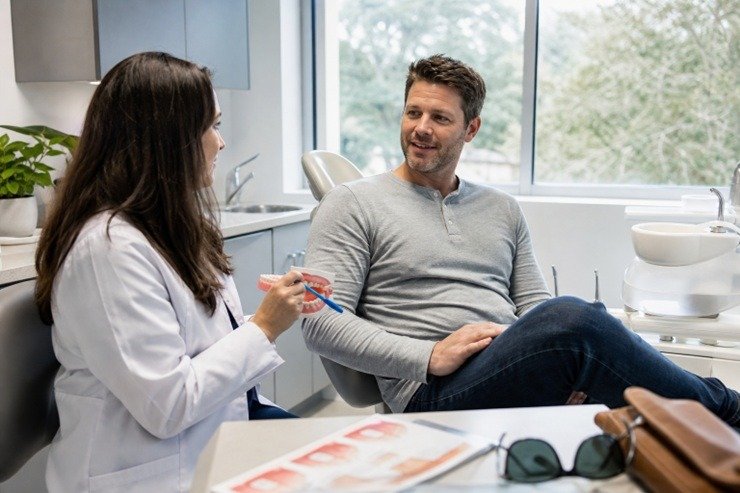
Preventive dental care is not only about avoiding a toothache. It is a practical part of caring for the whole person, including comfort, nutrition, confidence, sleep, and the ability to stay focused at school or work. People comparing benefits may also look for dental network partners for health plans when considering how routine dental services fit into their broader health coverage.
A useful routine combines daily habits with professional guidance that reflects a person’s age, health history, medications, risks, and access to care. The goal is not to follow a one-size-fits-all schedule. It is to make dental care manageable enough that small concerns are addressed before they disrupt everyday life.
What Whole-Person Health Means
Whole-person health means looking beyond one symptom, organ, or appointment. It considers how biological, behavioral, social, and environmental factors can affect health over time. The whole-person health framework recognizes that factors such as stress, sleep, diet, social support, and living conditions can influence a person’s ability to prevent illness and follow a care plan.
For example, bleeding gums may be the reason someone schedules a dental visit, but the practical solution may involve more than a cleaning. That person might need help managing blood sugar, finding affordable, healthy food, addressing dry mouth from medication, reducing stress, or arranging transportation for follow-up care. Seeing the full picture helps providers and patients set realistic next steps.
Why Oral Health Belongs In The Bigger Health Picture
The mouth plays a direct role in eating, speaking, smiling, and expressing emotion. Dental pain, missing teeth, gum problems, or untreated decay can make ordinary activities difficult and may affect social confidence and productivity. The CDC notes that oral health enables people to eat, speak, smile, and express emotions, while preventable oral diseases can cause pain and reduce quality of life.
Oral health is also connected with overall health, but it is important to use careful language. Some chronic conditions and oral diseases may share risk factors or occur together more often. A dentist may notice signs that call for medical follow-up, while a medical clinician may identify medications, health conditions, or lifestyle factors that increase oral health risks. These connections do not mean that one condition always directly causes another.
The Main Parts Of Preventive Dental Care
Prevention usually begins with regular dental exams and professional cleanings, as recommended by the dentist. These visits allow patients to discuss sensitivity, bleeding, jaw discomfort, dry mouth, diet, tobacco use, alcohol use, and changes in their general health.
- Brush twice daily with fluoride toothpaste.
- Clean between teeth daily with floss or another tool recommended by a dental professional.
- Limit frequent sugary drinks and snacks, which can expose teeth to sugars throughout the day.
- Ask whether fluoride treatment or sealants are appropriate for the patient’s needs.
- Share your current medication list, as some medications can contribute to dry mouth.
- Contact a dental professional promptly if you experience swelling, severe pain, persistent bleeding, or a suspected infection.
Common Barriers To Routine Dental Visits
Cost And Coverage Confusion
Dental benefits can be difficult to interpret. A plan may include premiums, deductibles, copayments, coinsurance, annual maximums, network rules, or limits on how often a service is covered. Preventive services may be covered differently from fillings, crowns, dentures, orthodontics, or specialty treatment. Before nonemergency care, ask the office for a written estimate and confirm what the plan is expected to pay.
Access And Availability
Routine care may be delayed when appointments are scarce or difficult to reach. Transportation, work hours, caregiving responsibilities, language needs, mobility limitations, and rural provider shortages can all create obstacles. Community clinics, dental school clinics, public health programs, and offices with extended hours may offer useful options, depending on the area and the service needed.
Fear And Delayed Care
Dental anxiety can turn a routine visit into something people avoid for years. Tell the dental team about anxiety when scheduling. Patients can ask for a shorter first visit, step-by-step explanations, breaks during treatment, or information about available comfort options. Clear communication can make it feel more predictable.
How To Review Dental Coverage Before Care
- Confirm whether the dentist participates in the plan’s network.
- Review benefits for preventive, basic, major, specialty, and orthodontic services.
- Check deductibles, annual maximums, frequency limits, and age rules.
- Ask whether referrals, preauthorization, or a treatment plan are required.
- Request a written estimate before a procedure with a substantial expected balance.
- Keep explanation-of-benefits statements and compare them with the original estimate.
Ways Dental And Medical Care Can Work Together
Coordinated care does not necessarily mean more appointments. Often, it means better communication among the professionals a patient already sees. Patients can help by giving dental providers an updated medication list and sharing major diagnoses, allergies, pregnancy status, and recent changes in health.
Medical teams can also ask about dental pain, trouble chewing, mouth sores, dry mouth, or trouble accessing dental care. When appropriate, dentists, primary care clinicians, pharmacists, nutrition professionals, and behavioral health teams can make referrals and share relevant information with the patient’s consent. Good coordination should protect privacy and avoid unnecessary duplication.
A Simple Preventive Dental Care Action Plan
- Book a baseline visit: Schedule an exam if it has been a long time since the last one.
- Write down concerns: Note pain, sensitivity, bleeding, dry mouth, swelling, or trouble chewing.
- Review daily habits: Consider brushing, interdental cleaning, food and drink choices, and tobacco use.
- Check costs early: Review benefits and request estimates before planned treatment.
- Set reminders: Use a calendar for recommended visits, follow-ups, and medication changes.
- Update providers: Share meaningful changes in health, medications, or living circumstances.
Common Questions About Preventive Dental Care
How Often Should Someone Visit A Dentist?
Visit timing depends on oral health, gum disease risk, age, medical history, medications, and the dental professional’s advice. Some people need more frequent care than others.
Does Dental Coverage Pay For Every Preventive Service?
Not always. Coverage can vary by plan and may include network requirements, frequency limits, age restrictions, or approval rules. Reviewing the plan before an appointment can prevent surprises.
What Should Someone Do If Dental Care Is Too Expensive?
Ask about payment plans, staged treatment, community clinics, federally qualified health centers, and dental school clinics. However, swelling, fever, severe pain, or trouble swallowing can signal an urgent problem and should not be ignored.
Conclusion
Preventive dental care is a foundational part of everyday well-being. Consistent home care, regular professional guidance, clear benefit information, and communication among providers can make it easier to protect oral health. Treating the mouth as part of the whole person helps turn dental care from a crisis response into a sustainable health routine.







Simple Daily Habits for Better Spinal Health

Preventive Dental Care And Whole-Person Health: A Practical Guide

A Buyer’s Guide to Evaluating Knoxville, Tennessee Neighborhoods

How Structured Alarm Data Can Help Emergency Communication Centers Work More Efficiently

Digestive Changes During Cancer Treatment: What’s Normal, and What Helps

How AI Image Creators Are Changing Visual Content Creation

How to Plan International Gifts Without Last-Minute Stress

7 Simple Home Maintenance Tasks That Can Prevent Expensive Repairs

Beyond Website Traffic: 7 Digital Marketing Signals That Reveal Who Is Ready to Buy

Why Are Natural Wellness Supplements Gaining Attention for Everyday Recovery Support?

100 Motivational Quotes to Inspire You in 2026

How to Create a Vision Board That Actually Works (2026)

22 Best Self-Help Books to Read in 2026

How to Achieve Personal Growth in 2026

New Year Wishes and Quotes to Inspire and Celebrate (2026)

Loeb Smith reviews: Why Crypto Licensing Demands Patience, Structure, and Skepticism

Custom Cover Letter Generator: Create Tailored Letters in Minutes

How to Leverage Personal Development for Career Advancement

Top Fitness Coach Certification Programs for Aspiring Trainers

From Denver to Vail: Secrets, Snow, and Soul of the Rockies
-

 Motivation6 years ago
4 Fun New Hobbies To Try This Year
-

 Quotes3 years ago
53 Motivational Gym Quotes to Fuel Gym Workout
-

 Quotes11 years ago
50 Most Powerful Quotes Ever Spoken
-

 Travel2 years ago
Why You Should Travel More: The Many Benefits of Seeing the World
-
 Quotes9 months ago
100 Motivational Quotes to Inspire You in 2026
-

 Quotes2 years ago
43 Inspirational Quotes About Thoughts
-

 Quotes4 years ago
Motivational Quotes by Famous People
-

 Quotes1 year ago
100 Motivational Quotes to Start Your Day with Positivity