
Lifestyle
How to Set a Realistic Home Listing Price Before You Sell

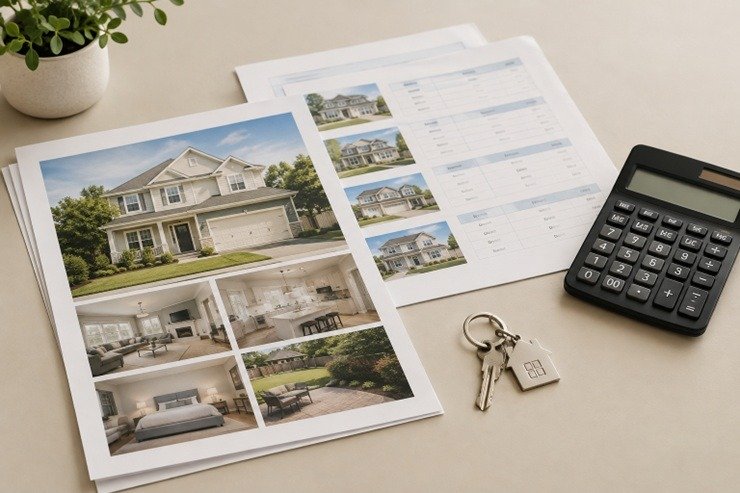
Choosing a listing price is one of the most important decisions a homeowner makes before selling. A well-supported price can help attract qualified buyers, encourage serious offers, and give you a clearer path toward your next move. Before setting a number, it helps to compare your options to sell your house and understand how each approach may affect your timeline, costs, and expected proceeds.
The goal is not simply to pick the highest number that feels acceptable. It is to choose a price that reflects current local evidence, your home’s condition, competing properties, and your personal priorities. That process can help you avoid a listing strategy based only on emotion, old neighborhood sales, or a single online estimate.
Start With a Realistic Selling Goal
Begin by deciding what matters most. You may want a fast sale, sufficient proceeds for another purchase, more flexibility with a closing date, or a lower risk of carrying the property for an extended period. These priorities influence how aggressively or cautiously you price.
A higher asking price does not automatically create a higher result. If a home remains unsold, the owner may continue paying for the mortgage, insurance, utilities, maintenance, and taxes. Price reductions later can also change how buyers view the listing, so it is worth starting with an evidence-based strategy.
Separate Market Value From Personal Value
Your purchase price, renovation budget, and memories in the home matter to you, but buyers usually assess what they can see and compare. They evaluate location, square footage, layout, condition, features, and available alternatives.
For example, spending $30,000 on a kitchen renovation does not necessarily add $30,000 to the sale price. If many competing homes already have updated kitchens, buyers may view that work as expected rather than exceptional. Improvements can still strengthen appeal, but their value depends on local buyer expectations.
Build a Useful Set of Comparable Sales
Comparable properties, often called comps, are homes that share meaningful characteristics with yours. Useful comparisons generally have a similar location, property type, size, age, condition, and buyer appeal. The closest home geographically is not always the best match.
A thoughtful pricing review considers recent sales alongside the factors that influence a home’s value. The National Association of REALTORS® explains that pricing your home involves market conditions, comparable properties, and seller goals, rather than relying on one fixed formula.
What to compare
- Recent sales in the same neighborhood or a closely similar area.
- Bedrooms, bathrooms, finished square footage, lot size, parking, and outdoor space.
- Location details, such as a busy road, view, school boundary, or proximity to amenities.
- Condition, upgrades, deferred maintenance, and the usefulness of the floor plan.
Review Active and Pending Listings
Sold homes show what buyers paid in the past. Active listings show what buyers can choose from now, while pending listings may offer clues about which price points and property features are gaining traction. Review the homes a buyer is likely to tour alongside yours, not just the homes that have already closed.
Ask whether similar listings are reducing their prices, whether they appear better presented, and whether their asking prices fall into common buyer search ranges. A well-priced home must compete with today’s inventory, not only with last season’s sales.
Use Online Estimates as a Starting Point
Automated estimates can be useful for an initial range, but they cannot always capture interior condition, recent work, unusual layouts, or block-by-block differences. Different tools may also produce different results because they use different data and timing.
The Consumer Financial Protection Bureau notes that valuations can differ when they use different comparable sales or serve different purposes. Treat each estimate as one input, then compare it with local evidence and a detailed review of the home.
Check the Home’s Condition Before Pricing
Walk through the property as a buyer might. Pay attention to the roof, gutters, windows, heating and cooling, plumbing, electrical systems, kitchens, bathrooms, flooring, paint, lighting, odors, landscaping, drainage, and curb appeal. Gather permits, warranties, repair records, and association documents if applicable.
You do not need to fix every imperfection. Focus on issues that may reduce confidence, raise inspection concerns, or cause the home to compare poorly with nearby options. Other items may be better disclosed and reflected in the price.
Prepare Before Your Timeline Becomes Urgent
Pricing is easier when you have time to gather information. Start reviewing local competition, records, repair needs, and expected moving costs before you need to list. Early preparation gives you more choices about improvements, marketing, timing, and whether to adjust your expectations.
Choose a Range and a Plan
Instead of focusing on one number, define three figures:
- Target price: The amount best supported by comparable sales and current competition.
- Minimum acceptable result: The outcome that works with your financial and moving plans.
- Test price: The asking price designed to fit buyer search behavior and the current market.
This framework also makes it easier to assess offers by net proceeds, financing strength, contingencies, repair requests, and closing dates.
Watch the First Weeks Closely
The early response to a listing provides useful feedback. High online interest with few showings can signal a presentation or pricing concern. Showings without offers may mean buyers see better value elsewhere. Very little activity can suggest the home is outside the range buyers expect.
Agree on review dates before launch, such as after the first week, after two weeks, and after a defined number of showings. That makes later decisions less emotional.
Make Price Adjustments Based on Evidence
A price change should respond to current facts, including showing volume, buyer feedback, new competing listings, days on market, and recent pending sales. A small reduction may not help if the property remains above a key buyer search threshold. In some cases, stronger photos, improved presentation, or addressing a visible issue may matter as much as a new price.
Calculate Expected Net Proceeds
A sale price is not the same as the amount you keep. Build an estimate that includes:
- Mortgage payoff and any lien balances.
- Agent fees or service charges.
- Transfer taxes, title expenses, and closing costs.
- Repair credits, concessions, moving, storage, and carrying costs.
A slightly lower offer may be stronger if it has fewer contingencies, more reliable financing, or lower expected repair demands.
Final Pre-Listing Checklist
- Document your reason for selling and preferred timeline.
- Collect recent comparable sales and review active competition.
- Assess the home’s condition and gather upgrade records.
- Compare multiple valuation inputs and estimate net proceeds.
- Set early review dates and decide what evidence would justify a change.
Conclusion
A realistic listing price is determined by combining recent sales, current competition, property condition, buyer demand, timing, and expected selling costs. When you make those comparisons before listing, you can enter the market with a clearer plan and respond calmly if buyer feedback points to a needed adjustment.













How to Set a Realistic Home Listing Price Before You Sell

How Ceramic Coating Technology Is Evolving to Deliver Better Vehicle Protection

How to Download and Use Telegram on Any Device

Cinnamon, Green Tea and Ginger: What Everyday Kitchen Staples Can Do for Metabolic Health

From Cusco to Machu Picchu: Choosing the Right Route Through the Sacred Valley

Interior Designers Are Prioritizing Soil Volume to Keep Statement Trees Thriving

How to Help Your Toddler Settle Into Daycare Without Tears Every Morning

How to Tell Whether Your Child Is Ready to Start Preschool

Why Your Ears Ring After Work and When You Should Be Concerned

How to Build Connected Automotive Marketing Campaigns That Drive Measurable Action

100 Motivational Quotes to Inspire You in 2026

How to Create a Vision Board That Actually Works (2026)

22 Best Self-Help Books to Read in 2026

How to Achieve Personal Growth in 2026

New Year Wishes and Quotes to Inspire and Celebrate (2026)

Loeb Smith reviews: Why Crypto Licensing Demands Patience, Structure, and Skepticism

Your Guide to Building the Life You Want as a Medical Professional

Romantic Cabins In Tennessee: A Guide to Location, Privacy, And Scenic Views

AI SEO Tools Every Website Owner Should Know

What to Put in Diaper Bag: The Ultimate Checklist for Parents on the Go All the Time
-

 Motivation6 years ago
4 Fun New Hobbies To Try This Year
-

 Quotes4 years ago
53 Motivational Gym Quotes to Fuel Gym Workout
-

 Quotes11 years ago
50 Most Powerful Quotes Ever Spoken
-

 Travel2 years ago
Why You Should Travel More: The Many Benefits of Seeing the World
-
 Quotes11 months ago
100 Motivational Quotes to Inspire You in 2026
-

 Quotes3 years ago
43 Inspirational Quotes About Thoughts
-

 Quotes4 years ago
Motivational Quotes by Famous People
-

 Quotes1 year ago
100 Motivational Quotes to Start Your Day with Positivity