
Travel
From Cusco to Machu Picchu: Choosing the Right Route Through the Sacred Valley

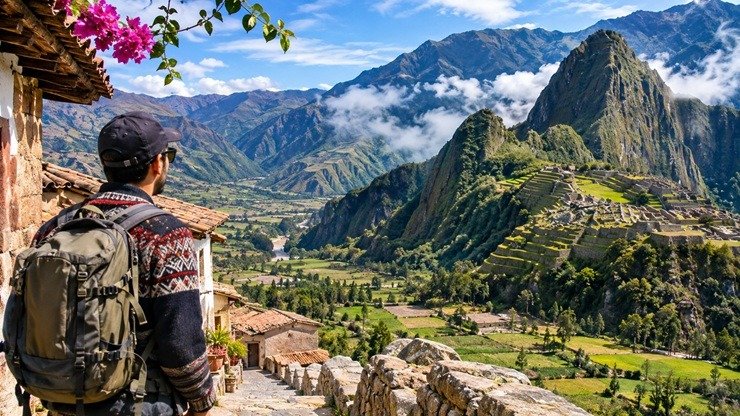
Machu Picchu may be the destination travelers picture when planning a trip to Peru, but reaching the ancient Inca citadel is an experience in itself. The journey crosses one of South America’s most remarkable landscapes, moving from the high-altitude streets of Cusco into the Sacred Valley before following the Urubamba River toward the mountains surrounding Machu Picchu.
For most visitors who are not trekking to the archaeological site, the journey involves traveling through Cusco or the Sacred Valley before taking the train to Machu Picchu Pueblo, also known as Aguas Calientes. The important question, therefore, is not simply how to reach Machu Picchu, but where to begin the journey. Two of the main options are starting in Cusco or boarding the train in Ollantaytambo. Understanding how these routes work can make planning a Peru itinerary considerably easier.
Understanding the Journey to Machu Picchu
Machu Picchu is located in mountainous terrain northwest of Cusco, and there is no road that takes ordinary visitors directly from Cusco to the archaeological entrance. Instead, travelers generally combine road and rail transportation before completing the final section from Machu Picchu Pueblo to the citadel.
This makes the route part of the overall travel experience. Travelers beginning in Cusco can use a coordinated bus-and-train connection through Ollantaytambo, while those already exploring the Sacred Valley can board a train directly from Ollantaytambo.
Both ultimately lead to Machu Picchu Pueblo, the gateway town beneath the archaeological site. When comparing Inca Rail routes, the best starting point therefore depends largely on where you are staying beforehand and how you have structured the rest of your Peru itinerary.
Starting from Cusco
Cusco is the natural base for many first-time visitors to Peru. Once the capital of the Inca Empire, the city deserves several days of exploration in its own right, with archaeological sites, colonial architecture, museums, markets and excellent access to the wider region.
For travelers staying in Cusco immediately before visiting Machu Picchu, beginning the journey there can simplify the logistics. Inca Rail operates this journey as a bimodal service. Rather than boarding a train in central Cusco, passengers begin with a road transfer from Cusco to Ollantaytambo. At Ollantaytambo, they transfer to the train for the journey through the Sacred Valley to Machu Picchu Pueblo. This arrangement creates a continuous route:
Cusco → Ollantaytambo → Machu Picchu Pueblo
The first section crosses the Andean highlands by road. The railway section then follows the Urubamba River, where the landscape gradually changes as travelers move deeper into the mountains. Starting from Cusco is particularly practical when your accommodation is in the city and you do not plan to spend a night elsewhere in the Sacred Valley before visiting Machu Picchu.
Starting from Ollantaytambo
The second option is to make your own way to Ollantaytambo and begin the rail portion of the journey there. Ollantaytambo is far more than a transportation hub. The historic town is one of the Sacred Valley’s most fascinating destinations, known for its Inca archaeological complex, narrow stone streets and dramatic mountain setting.
That makes it easy to incorporate into a broader Sacred Valley itinerary. Travelers might spend a day exploring places such as Pisac, Chinchero, Maras or Moray before staying overnight in or around Ollantaytambo. The following day, they can continue directly toward Machu Picchu rather than returning to Cusco. From Ollantaytambo, the journey is straightforward:
Ollantaytambo → Machu Picchu Pueblo
The railway covers approximately 43 kilometers and generally takes around 1.5 to two hours, depending on the service and schedule. For travelers already staying in the Sacred Valley, this can reduce unnecessary backtracking and make the overall itinerary more efficient.
The Sacred Valley Is Part of the Experience
No matter what starting point you choose, the Sacred Valley plays a central role in the journey. As the train leaves Ollantaytambo, it follows the Urubamba River between steep mountain slopes. The scenery gradually changes from the broader landscapes of the Sacred Valley toward greener, narrower terrain closer to Machu Picchu.
Rather than treating this portion of the trip simply as transportation, it is worth paying attention to the changing geography outside the window. The transition also helps explain why Machu Picchu feels so geographically distinct from Cusco. Cusco stands at roughly 3,400 meters above sea level, while Ollantaytambo is considerably lower.
Continuing toward Machu Picchu Pueblo takes travelers still farther down into a warmer and increasingly lush environment. Within a few hours, the landscape can feel completely different.
Arriving in Machu Picchu Pueblo
Both routes eventually reach Machu Picchu Pueblo, often referred to by its former name, Aguas Calientes. The town sits below the archaeological site and functions as the principal gateway for visitors arriving by rail. Hotels, restaurants and other traveler services are concentrated here, making it possible either to continue toward Machu Picchu the same day or stay overnight.
The train does not travel directly to the archaeological entrance. From Machu Picchu Pueblo, most visitors take the shuttle bus up the mountain. The ride generally takes around 25 to 30 minutes. Hiking from town to the entrance is also possible, although the steep ascent requires considerably more time and physical effort. This final connection should be considered when coordinating train arrival times with the entry time printed on your Machu Picchu ticket.
Which Starting Point Fits Your Itinerary?
There is no single route that makes sense for every traveler. If your trip is centered in Cusco and you want to avoid arranging separate transportation to the railway, the coordinated journey beginning in Cusco can be the more straightforward option.
If you plan to explore the Sacred Valley first, staying near Ollantaytambo and boarding there can create a more natural progression toward Machu Picchu. For example, an itinerary could follow this sequence:
Cusco → Sacred Valley → Ollantaytambo → Machu Picchu → Cusco
This approach avoids repeatedly returning to the same starting point and gives travelers more time to experience the Sacred Valley as a destination rather than simply passing through it. Travelers with limited time, meanwhile, may prefer keeping Cusco as their base and organizing the Machu Picchu journey from there.
Plan Around Your Machu Picchu Entry
One of the most important aspects of planning the route is coordinating transportation with your Machu Picchu entrance ticket. Entry to the archaeological site follows scheduled time slots and designated visitor circuits, so choosing transportation first without considering your entrance time can create unnecessary complications.
Work backward from your Machu Picchu entry when selecting a train. Allow sufficient time to arrive in Machu Picchu Pueblo, leave the station and reach the bus departure area. It is also sensible to leave some flexibility rather than planning connections too tightly.
The same principle applies to the return journey. Travelers should account for the time required to leave the archaeological site, descend to Machu Picchu Pueblo and reach the railway station before departure.
Consider Staying Overnight
While Machu Picchu can be visited as a day trip, spending a night in Machu Picchu Pueblo can create a less hurried experience. Arriving the afternoon before your visit gives you time to settle in and prepare for the following morning rather than completing every stage of the journey on the same day. It can be especially useful for travelers who prefer an early Machu Picchu entrance.
Alternatively, staying overnight after visiting the citadel allows you to return to town without immediately rushing for a train. The best arrangement depends on the pace of your wider itinerary, but building additional time around Machu Picchu can make one of Peru’s busiest travel days considerably more relaxed.
Making the Journey Part of Your Peru Experience
Machu Picchu is understandably the highlight of many journeys through Peru, but focusing exclusively on the destination can mean overlooking what surrounds it.
Cusco introduces travelers to centuries of Inca and colonial history. The Sacred Valley reveals archaeological sites, traditional towns, agricultural landscapes and mountain scenery. Ollantaytambo offers the chance to experience an extraordinary surviving Inca settlement before the railway carries you alongside the Urubamba River.
Seen this way, the route to Machu Picchu is a journey through several distinct Andean landscapes and historic places, each adding context to the destination waiting at the end.
Choosing whether to begin in Cusco or Ollantaytambo simply determines how that journey fits into the rest of your Peru adventure. Plan the route around the places you want to explore, give yourself enough time for the connections, and the trip to Machu Picchu can become almost as memorable as the first glimpse of the citadel itself.












From Cusco to Machu Picchu: Choosing the Right Route Through the Sacred Valley

Interior Designers Are Prioritizing Soil Volume to Keep Statement Trees Thriving

How to Help Your Toddler Settle Into Daycare Without Tears Every Morning

How to Tell Whether Your Child Is Ready to Start Preschool

Why Your Ears Ring After Work and When You Should Be Concerned

How to Build Connected Automotive Marketing Campaigns That Drive Measurable Action

Mortgage Fraud Red Flags Homebuyers Should Check Before Closing

Clear HR Policies and Early Intervention are Reshaping Workplace Risk Management

Myths About Dermaplaning That You Should Ignore

How to Rebuild Your Daily Routine After a Serious Injury

100 Motivational Quotes to Inspire You in 2026

How to Create a Vision Board That Actually Works (2026)

22 Best Self-Help Books to Read in 2026

How to Achieve Personal Growth in 2026

New Year Wishes and Quotes to Inspire and Celebrate (2026)

Loeb Smith reviews: Why Crypto Licensing Demands Patience, Structure, and Skepticism

Your Guide to Building the Life You Want as a Medical Professional

Romantic Cabins In Tennessee: A Guide to Location, Privacy, And Scenic Views

AI SEO Tools Every Website Owner Should Know

What to Put in Diaper Bag: The Ultimate Checklist for Parents on the Go All the Time
-

 Motivation6 years ago
4 Fun New Hobbies To Try This Year
-

 Quotes4 years ago
53 Motivational Gym Quotes to Fuel Gym Workout
-

 Quotes11 years ago
50 Most Powerful Quotes Ever Spoken
-

 Travel2 years ago
Why You Should Travel More: The Many Benefits of Seeing the World
-
 Quotes11 months ago
100 Motivational Quotes to Inspire You in 2026
-

 Quotes3 years ago
43 Inspirational Quotes About Thoughts
-

 Quotes4 years ago
Motivational Quotes by Famous People
-

 Quotes1 year ago
100 Motivational Quotes to Start Your Day with Positivity