
Money
Electric Scooter On-road Price vs Ex-showroom Price: Understanding the Actual Cost of Purchase

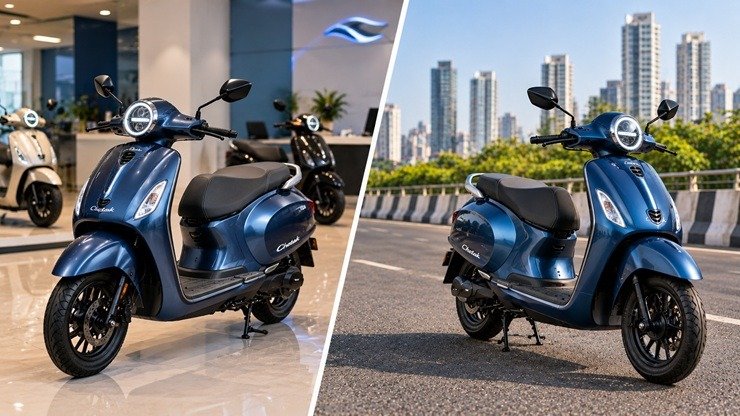
The price displayed in an advertisement is often the first figure buyers notice while comparing electric scooters. However, this amount may not represent the complete sum payable before the vehicle reaches the road. Registration-related charges, insurance, road tax, accessories, and optional packages can increase the final bill.
Understanding the difference between the ex-showroom price and the electric scooter on-road price makes comparison easier. It also prevents buyers from setting a budget around an incomplete figure.
Since taxes, incentives, insurance premiums, and registration policies can vary, the final amount should always be checked for the particular city and scooter variant.
What is the Ex-showroom Price of an Electric Scooter?
The ex-showroom price is the listed cost of the electric scooter before several ownership-related expenses are added. It generally includes the manufacturer’s base price, applicable GST, and costs involved in delivering the vehicle to the dealership.
This figure provides a common starting point for comparing different models and variants. However, it does not indicate the complete amount required to register, insure, equip, and take delivery of the scooter.
Two models with similar ex-showroom prices may therefore have different final costs. Their insurance premiums, registration charges, optional technology packages, accessories, and available benefits may differ considerably.
Buyers should treat the ex-showroom figure as the starting cost rather than the complete purchase budget.
What Does the Electric Scooter On-road Price Include?
The electric scooter on-road price is the final amount generally payable before the scooter can be legally ridden on public roads. It combines the ex-showroom price with applicable taxes, registration expenses, insurance premiums, and other selected charges.
The precise calculation can differ between states, cities, dealerships, insurers, scooter variants, and ownership choices. A typical price structure may include the following components:
| Cost Component | What it Generally Covers | Can it Vary? |
|---|---|---|
| Ex-showroom Price | Base vehicle cost and applicable GST | Yes, according to model and variant |
| Registration Charges | Vehicle registration and related RTO processing | Yes, according to state rules |
| Road Tax | Tax imposed for using the vehicle on public roads | Yes, according to state policy |
| Insurance | Mandatory third-party cover and any selected additional protection | Yes, according to policy and insurer |
| Registration Plate Charges | High-security registration plate and related requirements | May vary by location |
| Accessories | Helmet, floor mat, protective parts, or convenience additions | Usually optional |
| Technology Packages | Additional connected, navigation, or convenience features | Usually optional |
| Extended Cover | Extended warranty, roadside assistance, or service plans | Usually optional |
Some states provide road tax or registration concessions for eligible electric vehicles, while others may apply different rules. Buyers should confirm the currently applicable charges instead of assuming that one city’s calculation applies everywhere.
How is the Final On-road Cost Calculated?
A simple way to understand the calculation is:
On-road price = Ex-showroom price + registration expenses + road tax + insurance + selected accessories and packages − eligible benefits
This formula provides a broad structure rather than a universal calculation. The inclusion and value of each component can change according to location and purchase choices.
For example, an electric scooter may have an attractive ex-showroom price, but selecting comprehensive insurance, accessories, an extended warranty, and a connected technology package will increase the payable amount. A state-level exemption may reduce another buyer’s registration-related expenses.
Therefore, the electric scooter on-road price should be obtained through a city-specific quotation that lists every charge separately.
What Should Buyers Check Before Making the Payment?
Before paying a booking amount or completing the purchase, buyers should verify that the quotation mentions the correct model, variant, colour, battery specification, charger, insurance cover, and registration location.
The invoice should also reflect agreed discounts and optional additions accurately. If a cost appears under a broad label, buyers can request a clearer explanation and supporting calculation.
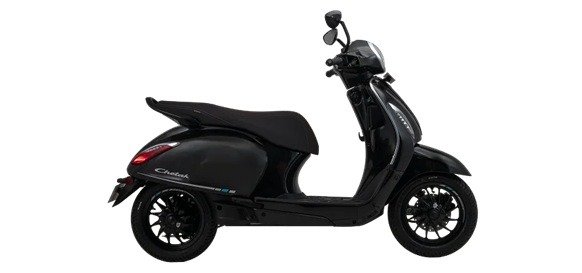
For example, when purchasing a Bajaj Chetak electric scooter, buyers should confirm whether selected features come as standard or require TecPac at an additional cost. Any connected functions dependent on an annual data pack should also be identified before the purchase.
A final review ensures that the electric scooter on-road price matches the agreed configuration and contains no unexpected additions.
Look Beyond the Advertised Price
The ex-showroom price provides a useful starting point for comparing electric scooters, but it does not show the complete amount required to bring one home. Registration, insurance, road tax, accessories, technology packages, and other applicable charges can increase the final payable cost.
Since these expenses may differ by location, model, and purchase choices, buyers should request a detailed quotation for their selected city and variant. Every compulsory and optional charge should appear separately so that comparisons remain accurate. When assessing electric scooter brands like Bajaj Chetak, buyers should also review the standard features, optional packages, insurance coverage, and current benefits.
This careful evaluation makes the electric scooter on-road price clearer and supports a better-informed purchase decision before making final payment.






Electric Scooter On-road Price vs Ex-showroom Price: Understanding the Actual Cost of Purchase

GiftMusic Review: Is a Personalized Song Worth It?

Shipping Decisions Every New Online Store Should Make Before Launch Day

Seven Essential Tools That Define Success in Remote Customer Service Careers

Why Clients Frequently Ask Does Insurance Cover Iop Services

Why Executive Chefs Recommend Enrolling in a Culinary School in Pasadena Before Opening a Restaurant

The Overlooked Parts of Personal Health That Matter More Than You Think

Here is What Road Travelers Need to Know about Navigating Dense Urban Traffic Corridors

How Exploring Portugal Pathways Enhances Your Cultural Experience

How Microneedling Treatment at Anne Therese Transforms Skin Texture

100 Motivational Quotes to Inspire You in 2026

How to Create a Vision Board That Actually Works (2026)

22 Best Self-Help Books to Read in 2026

How to Achieve Personal Growth in 2026

New Year Wishes and Quotes to Inspire and Celebrate (2026)

Loeb Smith reviews: Why Crypto Licensing Demands Patience, Structure, and Skepticism

From Denver to Vail: Secrets, Snow, and Soul of the Rockies

How to Choose the Best Manali Tour Package for a Family-Friendly Vacation?

Your Guide to Building the Life You Want as a Medical Professional

Romantic Cabins In Tennessee: A Guide to Location, Privacy, And Scenic Views
-

 Motivation6 years ago
4 Fun New Hobbies To Try This Year
-

 Quotes4 years ago
53 Motivational Gym Quotes to Fuel Gym Workout
-

 Quotes11 years ago
50 Most Powerful Quotes Ever Spoken
-

 Travel2 years ago
Why You Should Travel More: The Many Benefits of Seeing the World
-
 Quotes10 months ago
100 Motivational Quotes to Inspire You in 2026
-

 Quotes3 years ago
43 Inspirational Quotes About Thoughts
-

 Quotes4 years ago
Motivational Quotes by Famous People
-

 Quotes1 year ago
100 Motivational Quotes to Start Your Day with Positivity