
Education
Why Executive Chefs Recommend Enrolling in a Culinary School in Pasadena Before Opening a Restaurant

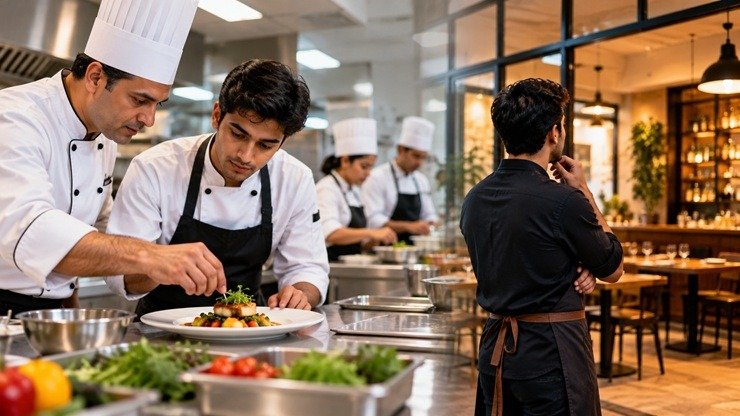
Many aspiring restaurateurs in Pasadena find themselves overwhelmed by the realities of launching a dining establishment. Even with a love for food, the first weeks of restaurant ownership can be a gauntlet of operational challenges, from designing prep routines to hiring staff and managing costs. Executive chefs who have risen through the ranks know that passion alone is not enough. They recommend formal training at a Culinary School in Pasadena because it blends technical expertise with local industry insights—both critical for a successful opening. This approach ensures you avoid avoidable mistakes, understand what works in the Pasadena market, and develop the discipline required for long-term success in the hospitality industry.
Mastering Kitchen Operations Through Pasadena Culinary Training
One of the primary concrete skills developed in a Culinary School in Pasadena is mastery of kitchen operations, including station organization and workflow planning. Executive chefs stress the importance of standardized prep methods and mise en place—the practice of organizing and arranging ingredients before service begins. This discipline is not only about efficiency; it forms the backbone of consistent food quality and staff coordination. By learning in a professional teaching kitchen, future restaurant owners gain hands-on experience managing real kitchen stations, troubleshooting common issues like cross-contamination, and developing a system for rapid service. These lessons directly translate to smoother launches and fewer mistakes in a new establishment.
Professional culinary training also exposes students to safe food handling procedures required by California law. Understanding food safety regulations for commercial kitchens helps prevent costly violations and protects a restaurant’s reputation from the outset. Chefs who have completed this training are well-versed in protocols for temperature control, allergen management, and proper sanitation—essentials for any operation serving the public.
Networking Within the Southern California Gastronomy Scene
Launching a restaurant in Pasadena means establishing connections with local suppliers, purveyors, and fellow professionals. Culinary schools in Pasadena provide access to a network of instructors, alumni, and guest chefs who are active in the Southern California gastronomy scene. These relationships can be invaluable for finding reliable produce sources or hiring experienced kitchen staff. Through school-organized events, externships, and mentorship programs, students gain visibility and credibility in a competitive market.
Networking is not only about personal advancement. It also exposes future owners to regional dining trends and community preferences that shape successful restaurant concepts. For example, understanding local ingredient sourcing strategies helps restaurateurs align their menus with what’s fresh and popular in Pasadena. This access to insider information gives graduates an edge when designing offerings that resonate with local diners.
Financial Control and Restaurant Menu Engineering Strategies
One overlooked benefit of attending a Culinary School in Pasadena is exposure to menu engineering—a practical method for balancing menu creativity with profitability. Instructors teach students how to calculate food costs, set appropriate price points, and design dishes that maximize both appeal and margin. This financial discipline is often the difference between a successful launch and a short-lived venture. The program’s curriculum covers recipe costing sheets, portion control practices, and menu layout strategies that influence what guests order and how much revenue each plate generates. By applying these concepts, aspiring owners can build menus that satisfy both their culinary vision and their bottom line.
Learning about inventory management and vendor negotiations equips students to control expenses from day one. Unlike self-taught entrepreneurs who may underestimate the impact of waste or over-ordering, graduates of a culinary school apply proven systems to maintain profitability. The training environment provides a safe space to experiment with menu ideas and costing without the financial risk faced in real-world restaurant ownership.
Mitigating Common Startup Risks Before Launching Your Dining Concept
Many first-time restaurateurs underestimate the risks involved in opening a new venue. A Culinary School in Pasadena prepares students for these realities by simulating real-world restaurant scenarios, such as managing a rush or responding to equipment failures. This controlled environment allows future owners to develop contingency plans for common setbacks, like supplier delays or sudden staff shortages, which can derail an unprepared business.
In addition to technical skills, the curriculum covers regulatory compliance. Students learn about Pasadena’s licensing requirements, health inspections, and local business permits. This knowledge ensures that graduates enter the market with a clear understanding of the legal and operational landscape, reducing the likelihood of costly missteps. By practicing these skills in a structured setting, future owners gain the confidence to navigate challenges that routinely affect new restaurants.
Conclusion
Before investing in your first restaurant, enroll in a formal culinary program that emphasizes local operations, menu strategy, and professional networking. This foundation minimizes avoidable mistakes and prepares you for the demands of restaurant ownership in Pasadena’s dynamic food scene.














Why Executive Chefs Recommend Enrolling in a Culinary School in Pasadena Before Opening a Restaurant

The Overlooked Parts of Personal Health That Matter More Than You Think

Here is What Road Travelers Need to Know about Navigating Dense Urban Traffic Corridors

How Exploring Portugal Pathways Enhances Your Cultural Experience

How Microneedling Treatment at Anne Therese Transforms Skin Texture

Why Saying “Yes” is More than a Milestone: It’s a Mindset Shift

Success at Work, Meaning at Home: Redefining What a Successful Life Looks Like

Hit by a Lyft Driver? Steps to Protect Your Health and Your Claim

How Financial Planning Can Help You Build a More Secure Future

Underground Water Leak Detection Services: Essential Considerations for Homeowners

100 Motivational Quotes to Inspire You in 2026

How to Create a Vision Board That Actually Works (2026)

22 Best Self-Help Books to Read in 2026

How to Achieve Personal Growth in 2026

New Year Wishes and Quotes to Inspire and Celebrate (2026)

Loeb Smith reviews: Why Crypto Licensing Demands Patience, Structure, and Skepticism

From Denver to Vail: Secrets, Snow, and Soul of the Rockies

How to Choose the Best Manali Tour Package for a Family-Friendly Vacation?

Your Guide to Building the Life You Want as a Medical Professional

Romantic Cabins In Tennessee: A Guide to Location, Privacy, And Scenic Views
-

 Motivation6 years ago
4 Fun New Hobbies To Try This Year
-

 Quotes4 years ago
53 Motivational Gym Quotes to Fuel Gym Workout
-

 Quotes11 years ago
50 Most Powerful Quotes Ever Spoken
-

 Travel2 years ago
Why You Should Travel More: The Many Benefits of Seeing the World
-
 Quotes10 months ago
100 Motivational Quotes to Inspire You in 2026
-

 Quotes3 years ago
43 Inspirational Quotes About Thoughts
-

 Quotes4 years ago
Motivational Quotes by Famous People
-

 Quotes1 year ago
100 Motivational Quotes to Start Your Day with Positivity