
Lifestyle
Here is What Road Travelers Need to Know about Navigating Dense Urban Traffic Corridors

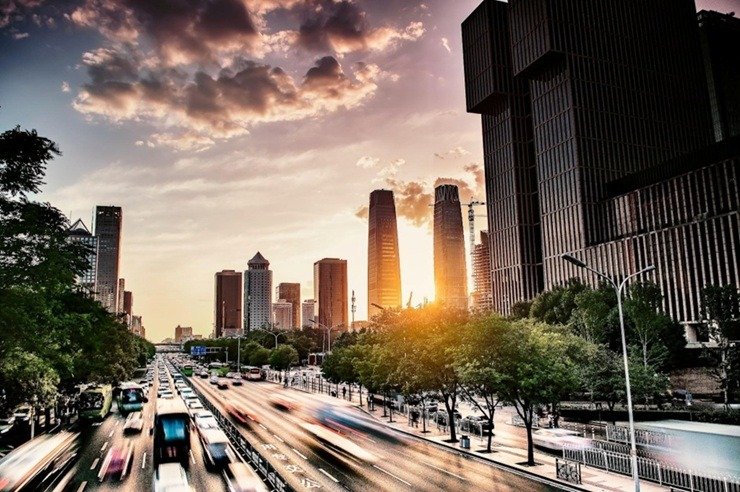
Long highway stretches often lull you into an easy rhythm before your route plunges directly into a dense downtown core. You suddenly face five lanes of rapid commuter traffic, crowded pedestrian crossings, and quick freeway merges that challenge your confidence.
Unfamiliar streets demand your full attention and steady reactions. Adopting defensive transit habits and sharp situational awareness keeps your trip smooth while protecting your passengers from unexpected hazards.
Why do urban transit corridors rattle visiting drivers?
Transitioning from wide highway lanes to crowded city streets shocks your senses. You shift from simple straightaways into multi-lane corridors filled with delivery trucks, rideshare vehicles stopping unexpectedly, and pedestrians stepping off curbs.
Data from INRIX highlights that American motorists lost an average of 43 hours to gridlock during 2024, which generated $771 in wasted productivity per person. Sitting in that heavy traffic spikes your stress levels, making you more prone to misjudging gaps between cars. Recognizing how congestion alters your patience helps you stay composed behind the wheel.
How do you identify hidden city traffic traps?
Metropolitan centers feature intricate roadway designs that confuse visitors. Elevated freeways split without much warning, while surface streets turn into one-way avenues bordered by loading zones. Missing a ramp can send you miles off track into unfamiliar neighborhoods.
Reading unfamiliar multi-tier interchanges
Multi-level highways stack ramps across several vertical layers, creating tricky sightlines and blind merges. You must track overhead guide signs while watching drivers cut across solid white lines. Giving yourself room to spot lane designations well before the split saves you from abrupt swerves.
Navigation apps often stutter when tall buildings block satellite connections. A delayed audio prompt can instruct you to exit across 3 lanes of traffic with only seconds to spare. When your navigation lags, you should accept a missed turn rather than making an erratic cut across active traffic lanes.
How should you protect your legal rights after an out-of-town crash?
City collisions quickly turn complicated when local insurance adjusters push quick settlement offers before you calculate your true medical costs. Retaining a knowledgeable personal injury attorney gives you strong legal guidance when confronting stubborn out-of-state insurance adjusters. Local legal professionals know municipal courtroom standards and fight against unfair lowball settlement offers.
Insurance carriers frequently exploit an out-of-town driver’s desire to head home. Adjusters might argue that your unfamiliarity with city streets caused the accident, shifting blame onto you. Having professional representation levels the playing field and protects your personal finances from ballooning repair and hospital bills.
What defensive driving strategies keep you safe in gridlock?
Defensive driving becomes your greatest asset when navigating dense traffic corridors. Maintaining buffer space around your bumper provides the extra seconds you need to react when a lead car stops abruptly. Practicing disciplined spatial management keeps your vehicle out of common pile-ups.
Adopting proven habits helps you glide through heavy traffic with minimal friction:
- Extend following distance: Leave at least 3 car lengths between you and the vehicle ahead in stop-and-go conditions.
- Scan downfield continuously: Look 4 vehicles ahead through their rear windows to spot brake lights early.
- Clear blind spots: Position your vehicle where commercial truck drivers and commuters can see your headlights in their mirrors.
- Plan travel timing: Schedule your downtown arrivals between 10 AM and 2 PM to bypass rush-hour peaks.
Applying some simple rules gives you an immediate safety cushion. When you control your speed and spacing, you reduce brake wear while keeping erratic drivers away from your perimeter.
How do you manage aggressive commuter flow?
Local commuters know every shortcut, traffic light sequence, and lane shift, which often breeds impatient driving behavior. They may tailgate, change lanes without signaling, or force their way into narrow gaps. Trying to match their aggressive pace only elevates your collision risk.
A study from the AAA Foundation for Traffic Safety noted that 90% of drivers consider aggressive driving a serious threat to road safety. When you encounter an aggressive driver tailgating you, stay in your lane and maintain a steady pace rather than accelerating. Yielding space defuses road rage and lets hazardous motorists speed past without incident.
What steps should you take immediately at the crash scene?
If a collision occurs hundreds of miles from your hometown, shock can cloud your judgment. Your immediate action should focus on moving your vehicle to a safe shoulder and checking yourself and your passengers for injuries. Dial 911 immediately to request medical responders and a municipal police officer.
Gathering evidence on the spot protects your future insurance claims. Photograph vehicle damage, road skid marks, street signage, and the license plates of all involved cars. Request contact information from independent bystanders and obtain the responding officer’s badge number and police report identification number before leaving the scene.
Navigating congested city streets demands preparation, patience, and vigilant awareness behind the wheel. While defensive driving techniques reduce travel risks, knowing your rights protects your family against sudden financial setbacks if a wreck happens. By staying alert to local conditions and securing strong advocacy when challenges arise, you can explore new destinations with total peace of mind.













The Overlooked Parts of Personal Health That Matter More Than You Think

Here is What Road Travelers Need to Know about Navigating Dense Urban Traffic Corridors

How Exploring Portugal Pathways Enhances Your Cultural Experience

How Microneedling Treatment at Anne Therese Transforms Skin Texture

Why Saying “Yes” is More than a Milestone: It’s a Mindset Shift

Success at Work, Meaning at Home: Redefining What a Successful Life Looks Like

Hit by a Lyft Driver? Steps to Protect Your Health and Your Claim

How Financial Planning Can Help You Build a More Secure Future

Underground Water Leak Detection Services: Essential Considerations for Homeowners

Why People Wear Fragrance Even When They’re Staying Home

100 Motivational Quotes to Inspire You in 2026

How to Create a Vision Board That Actually Works (2026)

22 Best Self-Help Books to Read in 2026

How to Achieve Personal Growth in 2026

New Year Wishes and Quotes to Inspire and Celebrate (2026)

Loeb Smith reviews: Why Crypto Licensing Demands Patience, Structure, and Skepticism

From Denver to Vail: Secrets, Snow, and Soul of the Rockies

How to Choose the Best Manali Tour Package for a Family-Friendly Vacation?

Your Guide to Building the Life You Want as a Medical Professional

Romantic Cabins In Tennessee: A Guide to Location, Privacy, And Scenic Views
-

 Motivation6 years ago
4 Fun New Hobbies To Try This Year
-

 Quotes4 years ago
53 Motivational Gym Quotes to Fuel Gym Workout
-

 Quotes11 years ago
50 Most Powerful Quotes Ever Spoken
-

 Travel2 years ago
Why You Should Travel More: The Many Benefits of Seeing the World
-
 Quotes10 months ago
100 Motivational Quotes to Inspire You in 2026
-

 Quotes3 years ago
43 Inspirational Quotes About Thoughts
-

 Quotes4 years ago
Motivational Quotes by Famous People
-

 Quotes1 year ago
100 Motivational Quotes to Start Your Day with Positivity