
Health
Common Nutrition Mistakes Families Make During Celebrations

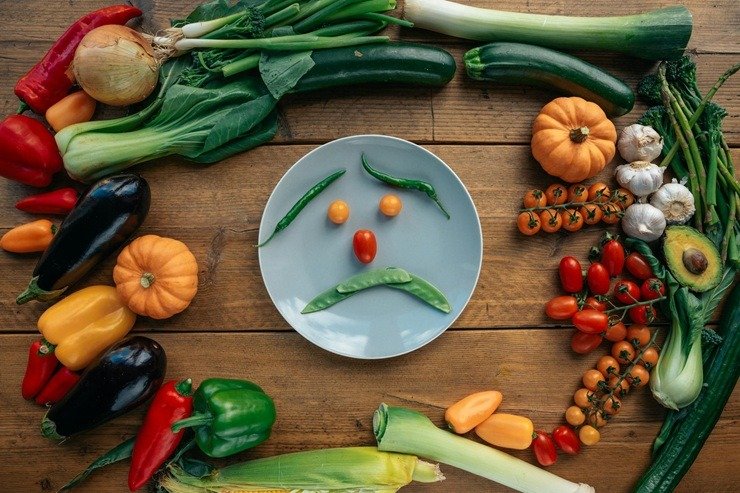
Why Eating Habits Change So Easily During Celebrations
Most people do not walk into a festive season thinking, “This week, healthy routines are over.” It happens more casually than that. One late dinner turns into three. Someone brings sweets over for guests, and they stay on the table the entire week. Tea replaces breakfast because there is too much going on in the house. Then somewhere in the middle of all that, the body starts feeling different. Not seriously ill. Just… off. Sleep feels lighter. Energy drops during the afternoon. Digestion slows down. Water intake disappears without much notice. Even concentration starts feeling weirdly difficult after a few days of heavy meals and irregular routines.
The interesting thing is how universal this becomes during celebrations. Thanksgiving usually means oversized comfort food meals that somehow continue long after dinner is finished. Diwali often comes with sweets in nearly every home people visit. Eid gatherings usually involve rich meat dishes, desserts, tea, and long hours of hosting family members. Food itself is not really the problem. Celebrations are supposed to involve food. Nobody remembers holidays because of salads and portion control. The bigger issue is usually how many small habits change all at once.
Heavy Meals Can Leave People Feeling Surprisingly Exhausted
One thing people rarely expect during celebrations is how physically draining heavy meals can feel afterwards. Not immediately. Usually later.
There is that moment after eating where the body suddenly feels slow, almost like all energy disappeared without warning. It is not always about overeating either. Sometimes it is simply the combination of rich food, sugar, fried snacks, desserts, and very little fibre all showing up in the same meal.
Health researchers have increasingly focused on meal quality and balance instead of just calorie counting. Meals low in fibre and high in refined carbohydrates may contribute to sharper blood sugar fluctuations, which can leave people feeling tired afterwards. The Harvard T.H. Chan School of Public Health has published detailed information on how fibre supports digestion and energy balance.
During celebrations, though, balance usually disappears quietly. Vegetables become optional. Water becomes optional too. Plates get fuller while meals become less varied.
Water Intake Usually Drops Without Anyone Realising
Hydration is one of the first habits people stop paying attention to during gatherings. There is tea, coffee, soft drinks, desserts, salty food, late-night conversations, guests coming and going but very little plain water somewhere in between all of it.
Dehydration is very easy to miss. Sometimes it just feels like waking up unusually tired the next morning. Or getting headaches more often. Or feeling bloated and irritated for no obvious reason.
According to the Mayo Clinic, hydration supports normal digestion, circulation, and body function. During busy festive weeks, though, routines that normally feel automatic start disappearing quietly in the background.
Food Storage Ends Up Mattering More Than Expected
Another thing families deal with during celebrations is food storage, especially when meals are prepared in large amounts.
Almost everybody has seen the overloaded refrigerator situation during the holidays. Containers stacked everywhere. Food sitting outside longer than planned because guests are still eating. Leftovers getting reheated multiple times because throwing food away feels wasteful. It becomes even more important during celebrations centred around meat preparation.
For instance, households may need to keep far more meat than normal during Qurbani celebrations in a short amount of time. Freezer space fills up quickly, and proper refrigeration becomes more important than many people initially expect.
It may sound like a small issue, but poor food storage is one of the easiest ways celebrations quietly turn uncomfortable afterwards.
Physical Activity Usually Slows Down Too
Celebrations also tend to reduce movement without people noticing right away.
There is more sitting, more driving, more socialising indoors, and usually less sleep. Even people who normally stay active often pause regular movement completely during festive weeks. That shift catches up eventually.
Interestingly, health advice around exercise has become less extreme recently. There is now more focus on consistency and realistic movement rather than intense routines people cannot maintain anyway. Even something simple like walking after dinner or stepping outside for fresh air for twenty minutes can help with digestion and energy after heavier meals.
Small habits tend to survive celebrations better than strict plans do.
Most People Do Not Need Extreme “Fixes” After Holidays
One thing that happens after almost every festive season is the sudden urge to overcorrect.
Several days of heavy eating are followed by detox trends, meal skipping, or strict diets meant to “undo the damage.” Usually that ends up making people feel even worse. In actuality, consistency rather than punishment helps most bodies heal.
Extreme limitations subsequently are typically considerably less beneficial than getting adequate sleep again, drinking enough water, eating balanced meals, and slowing down constantly snacking.
In any case, most individuals don’t aim to eat a perfect meal during festivities. They just want to enjoy family gatherings, traditions, and good food without feeling completely drained by the time everything ends.








Real Time Exam Supervision Needs More Than Extra Staff

7 Ways Educational Institutions Can Improve Their Learning Spaces

Beyond Med School: Elevating Your Healthcare Impact with a Specialized Master’s Degree

Bathroom Remodeling: How to Improve Safety and Maintenance

How To Build Fair Job Offers When Cash Incentives Vary

7 Simple Tips for Better Digital Vision Health

Best New Apps in 2026: 7 To Try

Which Dental Problems Need a Specialist Instead of General Care?

How to Choose the Right Car for Your Needs

Best AI for the Defense Sector: 5 Platforms to Know

100 Motivational Quotes to Inspire You in 2026

How to Create a Vision Board That Actually Works (2026)

22 Best Self-Help Books to Read in 2026

How to Achieve Personal Growth in 2026

New Year Wishes and Quotes to Inspire and Celebrate (2026)

Loeb Smith reviews: Why Crypto Licensing Demands Patience, Structure, and Skepticism

Custom Cover Letter Generator: Create Tailored Letters in Minutes

How to Leverage Personal Development for Career Advancement

Top Fitness Coach Certification Programs for Aspiring Trainers

From Denver to Vail: Secrets, Snow, and Soul of the Rockies
-

 Motivation6 years ago
4 Fun New Hobbies To Try This Year
-

 Quotes4 years ago
53 Motivational Gym Quotes to Fuel Gym Workout
-

 Quotes11 years ago
50 Most Powerful Quotes Ever Spoken
-

 Travel2 years ago
Why You Should Travel More: The Many Benefits of Seeing the World
-
 Quotes9 months ago
100 Motivational Quotes to Inspire You in 2026
-

 Quotes2 years ago
43 Inspirational Quotes About Thoughts
-

 Quotes4 years ago
Motivational Quotes by Famous People
-
 Quotes1 year ago
100 Motivational Quotes to Start Your Day with Positivity