
Business
What Delays Government Construction Projects Most Often?

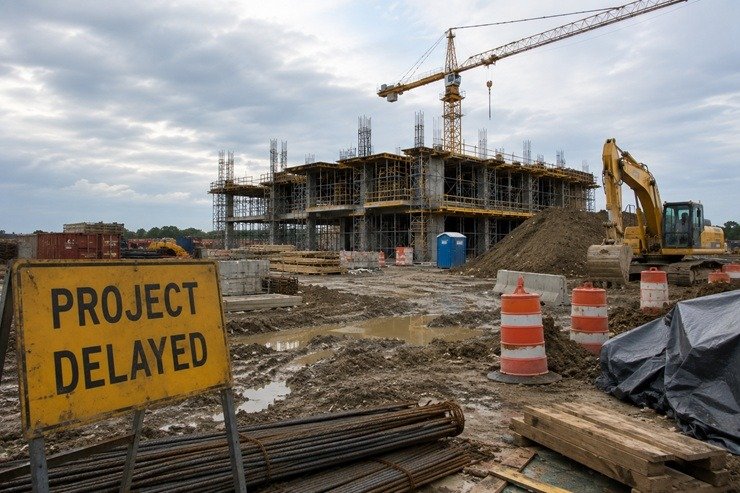
Government construction schedules are often affected by several challenges rather than one major setback. Utility conflicts, design revisions, approval timelines, material availability, and site conditions can each slow progress if they occur at the wrong stage of the project. Recognizing these common sources of delay allows project teams to plan ahead, respond more effectively, and keep construction moving as efficiently as possible.
Utility Conflicts Beneath the Site Can Halt Construction Progress
Construction crews often discover underground utilities that differ from existing records. Water lines, electrical conduits, communication cables, gas mains, or abandoned infrastructure may appear in unexpected locations once excavation begins. Even a small conflict can stop work until engineers verify the utility’s location and determine how to move forward safely.
Underground discoveries usually affect more than one trade. Excavation, concrete work, utility installation, and foundation activities may all pause while updated drawings and approvals are prepared. Government construction projects benefit from detailed utility investigations before heavy equipment reaches the site, but hidden conditions can still appear despite careful planning.
Lengthy Agency Reviews Often Push Critical Milestones Off Schedule
Many public projects require approvals from several agencies before construction can continue. Design reviews, permit updates, safety evaluations, security requirements, and technical submissions often move through different departments, each with its own review timeline. Even a well-prepared project can slow down while waiting for official responses.
Review periods also affect subcontractors and material deliveries. If one approval arrives later than expected, other scheduled activities may have to shift as well. Navigator International government construction recognizes the value of maintaining clear communication with reviewing agencies to help reduce unnecessary scheduling gaps.
Mid Project Design Changes Create Costly Construction Delays
Construction drawings sometimes change after work has already begun. A revised building layout, updated utility route, equipment modification, or new operational requirement can affect work that has already been completed or is about to begin. These adjustments often require updated drawings, pricing, material orders, and revised schedules.
Field crews may also need to pause while engineers finalize new details. Changes that seem minor on paper can affect structural work, electrical systems, mechanical installations, and finish trades throughout the project. Careful planning early in the design process helps reduce these interruptions.
Long Lead Material Orders Can Slow Essential Field Operations
Certain construction materials are not immediately available. Electrical switchgear, mechanical equipment, structural steel, specialty doors, generators, communication systems, and custom components may require months of manufacturing before delivery. If these items arrive late, installation crews may have limited work they can complete.
Procurement planning has become increasingly important as supply chains continue to change. Ordering specialty equipment early allows project teams to build realistic schedules around manufacturing timelines rather than reacting to unexpected delivery dates later.
Unforeseen Ground Conditions Disrupt Planned Construction Activities
Site investigations provide valuable information before construction begins, but they cannot reveal every condition below the surface. Crews occasionally encounter unsuitable soils, buried debris, rock formations, groundwater, or undocumented structures that require additional engineering review before work can continue.
Ground conditions may also affect foundation design, drainage systems, utility installation, and grading plans. Addressing these issues carefully helps protect the finished structure while reducing the risk of future settlement or infrastructure problems.
Multi Agency Coordination Can Stall Decisions Across Project Teams
Government projects often involve several organizations working toward the same goal. Owners, engineers, architects, contractors, utility providers, environmental consultants, security representatives, and regulatory agencies may all contribute to project decisions. Coordinating those groups takes time, especially when approvals depend on multiple reviews.
Communication becomes more effective when responsibilities are clearly defined from the beginning. Regular coordination meetings, documented action items, and prompt follow-up help reduce misunderstandings that can delay construction activities.
Budget Approval Cycles Frequently Delay Project Mobilization
Funding schedules often influence when construction can begin. Budget reviews, fiscal planning, contract approvals, and funding releases may all occur before equipment arrives on site. Even fully designed projects sometimes wait for administrative approval before mobilization starts.
Timing also matters after construction begins. Additional funding requests for approved changes or unforeseen conditions may require another review process before work can proceed. Careful financial planning helps reduce interruptions caused by delayed approvals.
Environmental Clearance Requirements Can Hold Back Site Development
Environmental regulations help protect natural resources while allowing responsible development to move forward. Wetland reviews, protected species studies, historical resource evaluations, stormwater permits, and erosion control measures may all need approval before site work begins. These requirements often vary depending on the location and project scope.
Environmental compliance continues throughout construction as well. Inspection reports, monitoring activities, and permit conditions may affect how and when certain work takes place. Navigator International combines design-build expertise, construction management, engineering coordination, infrastructure development, and global government construction experience to help agencies plan around these challenges while delivering projects that meet operational goals, regulatory requirements, and long-term performance expectations.













The Overlooked Parts of Personal Health That Matter More Than You Think

Here is What Road Travelers Need to Know about Navigating Dense Urban Traffic Corridors

How Exploring Portugal Pathways Enhances Your Cultural Experience

How Microneedling Treatment at Anne Therese Transforms Skin Texture

Why Saying “Yes” is More than a Milestone: It’s a Mindset Shift

Success at Work, Meaning at Home: Redefining What a Successful Life Looks Like

Hit by a Lyft Driver? Steps to Protect Your Health and Your Claim

How Financial Planning Can Help You Build a More Secure Future

Underground Water Leak Detection Services: Essential Considerations for Homeowners

Why People Wear Fragrance Even When They’re Staying Home

100 Motivational Quotes to Inspire You in 2026

How to Create a Vision Board That Actually Works (2026)

22 Best Self-Help Books to Read in 2026

How to Achieve Personal Growth in 2026

New Year Wishes and Quotes to Inspire and Celebrate (2026)

Loeb Smith reviews: Why Crypto Licensing Demands Patience, Structure, and Skepticism

From Denver to Vail: Secrets, Snow, and Soul of the Rockies

How to Choose the Best Manali Tour Package for a Family-Friendly Vacation?

Your Guide to Building the Life You Want as a Medical Professional

Romantic Cabins In Tennessee: A Guide to Location, Privacy, And Scenic Views
-

 Motivation6 years ago
4 Fun New Hobbies To Try This Year
-

 Quotes4 years ago
53 Motivational Gym Quotes to Fuel Gym Workout
-

 Quotes11 years ago
50 Most Powerful Quotes Ever Spoken
-

 Travel2 years ago
Why You Should Travel More: The Many Benefits of Seeing the World
-
 Quotes10 months ago
100 Motivational Quotes to Inspire You in 2026
-

 Quotes3 years ago
43 Inspirational Quotes About Thoughts
-

 Quotes4 years ago
Motivational Quotes by Famous People
-

 Quotes1 year ago
100 Motivational Quotes to Start Your Day with Positivity