
Tech
How Modern Buildings Are Rethinking Who Gets In and Why

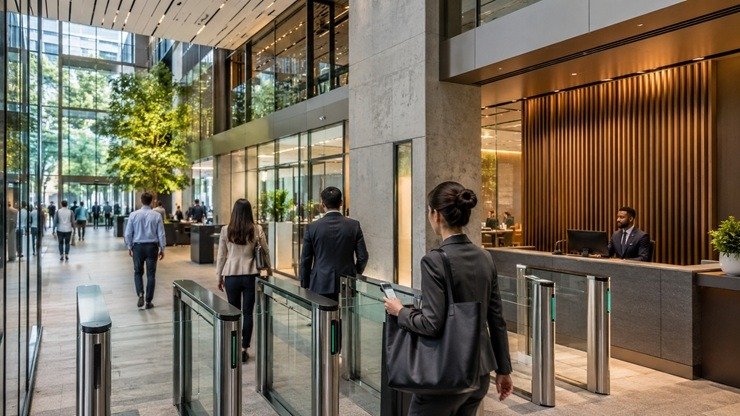
Office buildings, warehouses, and public facilities have quietly changed how they manage entry over the past decade. What used to be a simple lock and key setup has evolved into something far more layered, driven by security concerns, remote work patterns, and the sheer complexity of managing large sites with multiple types of visitors.
Why Traditional Locks No Longer Cut It
A physical key has one glaring weakness: it can’t tell you who used it or when. Once a building has more than a handful of employees, tracking lost keys, rekeying locks, and managing contractor access becomes a logistical headache. Add in the reality that many organisations now operate across multiple sites, sometimes in different countries, and the limitations become obvious fast.
This is part of why so many facilities managers have shifted toward digital solutions. An access control system replaces physical keys with credentials that can be issued, revoked, or adjusted instantly. A lost keycard doesn’t mean rekeying an entire building, it means deactivating one credential from a dashboard. That single change alone has saved countless organisations time and money.
What Actually Changes on the Ground
The shift isn’t just administrative. Employees notice the difference too. Instead of juggling multiple keys for different doors, a single credential, whether it’s a card, fob, or mobile app, can grant tiered access based on role. A cleaning contractor might only be able to enter after hours. A finance team member might have access to a restricted floor that sales staff can’t reach.
This kind of granular control matters more than it might seem at first glance. Consider a few common scenarios:
- A university campus needs to manage thousands of students, staff, and visitors across dozens of buildings with varying access levels.
- A logistics company needs to track exactly who entered a warehouse and when, particularly after a stock discrepancy.
- A hospital needs to restrict access to sensitive areas like medication storage while keeping other zones open to staff around the clock.
In each of these cases, the ability to adjust permissions remotely and see a clear audit trail isn’t a luxury, it’s become close to a baseline expectation. Facilities teams increasingly rely on centralised platforms to manage this complexity without needing a specialist on-site for every change.
The Bigger Picture: Security as Infrastructure
What’s interesting is how access management has stopped being treated as a standalone security measure and started being viewed as part of a building’s core infrastructure, alongside heating, lighting, and network connectivity. This shift reflects a broader trend where physical security integrates with other building systems, from fire alarms to visitor management software.
Companies like Nedap Security Management have built their reputation on this integrated approach, offering platforms that scale from small offices to sprawling multi-site operations. Rather than treating each building as an isolated problem, the modern approach favours a single system that can flex to different needs while maintaining consistent oversight.
This matters particularly for organisations with hybrid work arrangements, where the number of people in a building on any given day can vary significantly. Static access plans don’t work well in that environment. What’s needed instead is a system flexible enough to adapt daily, without creating extra administrative burden for the people managing it.
Looking Ahead
The way buildings manage entry has become a genuine reflection of how organisations think about risk, flexibility, and trust. As more sites adopt connected, data-driven approaches to access, the humble act of unlocking a door has turned into something far more strategic than it once was.













5 Signs You’re Not Just Busy, You’re Overwhelmed

How Hiring Emergency Water Damage Restoration Service Prevents Structural Rot

Planning a Lahore Heritage Break with Time to Explore

How Small Businesses Can Make Cross-Border Payments Faster, Clearer, and More Reliable

How Tampa Businesses Can Choose a Commercial Location

How High School Counselor Marketing Helps College Admissions Teams Reach Early Decision and Early Action Applicants

Create a Flexible Fat Loss Routine You Can Maintain Long-Term

Keep Your CPR Skills Ready: A Simple Renewal Plan for Work, Home, and Community

The Moving-Day Survival Kit Every Household Should Prepare

Things People Wish They Had Planned Better Before Moving

100 Motivational Quotes to Inspire You in 2026

How to Create a Vision Board That Actually Works (2026)

22 Best Self-Help Books to Read in 2026

How to Achieve Personal Growth in 2026

New Year Wishes and Quotes to Inspire and Celebrate (2026)

Loeb Smith reviews: Why Crypto Licensing Demands Patience, Structure, and Skepticism

How to Leverage Personal Development for Career Advancement

Top Fitness Coach Certification Programs for Aspiring Trainers

From Denver to Vail: Secrets, Snow, and Soul of the Rockies

How to Choose the Best Manali Tour Package for a Family-Friendly Vacation?
-

 Motivation6 years ago
4 Fun New Hobbies To Try This Year
-

 Quotes4 years ago
53 Motivational Gym Quotes to Fuel Gym Workout
-

 Quotes11 years ago
50 Most Powerful Quotes Ever Spoken
-

 Travel2 years ago
Why You Should Travel More: The Many Benefits of Seeing the World
-
 Quotes10 months ago
100 Motivational Quotes to Inspire You in 2026
-

 Quotes3 years ago
43 Inspirational Quotes About Thoughts
-

 Quotes4 years ago
Motivational Quotes by Famous People
-

 Quotes1 year ago
100 Motivational Quotes to Start Your Day with Positivity