
Education
How to Tell Whether Your Child Is Ready to Start Preschool

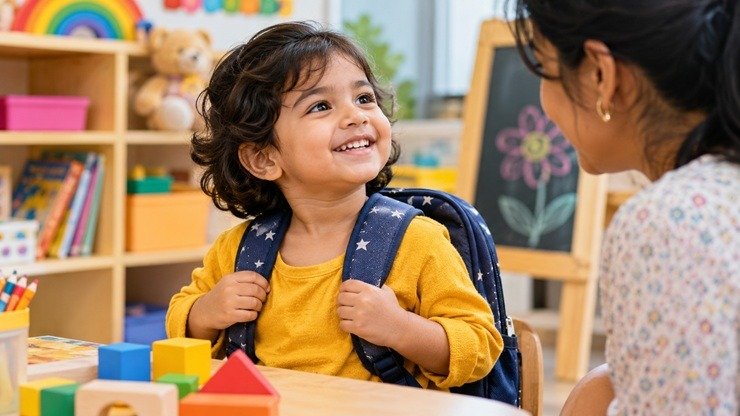
Your toddler is growing more independent, asking endless questions and becoming increasingly interested in other children. Suddenly, you’re wondering whether it’s time to enrol them in preschool. But how do you know if they’re actually ready?
Starting preschool is an important milestone, and every child approaches it differently. Some children happily walk into a classroom on their first day, while others need more time to feel comfortable being away from their parents. Neither reaction necessarily indicates whether a child is ready to learn.
Rather than focusing entirely on age, consider your child’s social, emotional and communication development. Visiting local early learning centres, whether you’re researching child care Monterey or exploring options in your own neighbourhood, can also help you understand what support is available and whether the environment suits your child’s needs.
Your Child Is Becoming More Comfortable Around Others
One sign that your child may be ready for preschool is a growing interest in interacting with other children.
They might enjoy visiting playgrounds, participating in group activities or watching other children play.
However, your child doesn’t need to be particularly outgoing or confident in social situations.
Some children prefer observing before joining activities, while others naturally approach new people.
Preschool provides opportunities to develop social skills, so children aren’t expected to arrive knowing how to share, cooperate or manage every interaction.
What’s more important is whether they’re beginning to show curiosity about the people and activities around them.
They Can Communicate Basic Needs
Communication is an important part of feeling comfortable in a new environment.
Children benefit from being able to express basic needs, such as asking for water, indicating they’re hungry or letting an educator know they need help.
However, communication doesn’t have to involve complete sentences.
Some children use gestures, visual supports or other communication methods, particularly if they’re still developing spoken language.
Educators can support children with different communication abilities.
When visiting a preschool, ask how staff help children who are shy, have limited speech or need additional assistance expressing themselves.
They Are Learning to Follow Simple Routines
Preschool environments usually involve familiar daily activities such as group play, snacks, outdoor time and rest periods.
Children who are beginning to understand simple routines may find these transitions easier.
For example, your child might recognise that washing hands happens before eating or that toys are packed away after playtime.
You can encourage these skills at home through everyday activities.
Try introducing predictable routines for meals, dressing and bedtime.
Remember that young children still need reminders and support. Following instructions perfectly isn’t a requirement for starting preschool.
They Show Signs of Growing Independence
Preschool offers children opportunities to practise doing things for themselves.
Your child might want to put on their shoes, carry their own bag or choose which activity to try.
These small demonstrations of independence can help build confidence.
Useful skills to encourage include:
- Washing hands with appropriate assistance.
- Attempting to put on shoes or clothing.
- Helping pack away toys.
- Choosing between simple activities.
- Asking an adult for help when needed.
Don’t worry if your child hasn’t mastered these tasks.
Preschool educators regularly help children develop independence at their own pace.
Separation Anxiety Doesn’t Mean They Aren’t Ready
Many parents worry when their child becomes upset at the thought of being left somewhere unfamiliar.
Separation anxiety is common in early childhood and doesn’t automatically mean preschool should be delayed.
Children often need time to build trust with new educators and become familiar with different surroundings.
Before their first day, consider arranging an orientation visit.
Talk positively about the activities they’ll experience and explain when you’ll return to collect them.
A familiar comfort item may also help, provided the centre allows it.
Keeping goodbyes calm, reassuring and consistent can make the transition easier over time.
Consider Your Child’s Individual Needs
Every child develops differently, and readiness isn’t something that can be measured using a single checklist.
Some children need additional support with communication, sensory sensitivities, mobility or emotional regulation.
These differences don’t necessarily prevent them from enjoying preschool.
Instead, look for a centre that understands your child’s needs and can provide appropriate support.
Discuss any concerns with educators before enrolment and ask how they manage settling-in periods, individual routines and communication with families.
It’s also worth checking the programme’s age requirements and enrolment policies.
Help Your Child Feel Confident About Starting
Starting preschool is a transition for the entire family, not just the child.
Rather than expecting your little one to demonstrate complete independence, focus on helping them feel secure, supported and curious about new experiences.
Practise simple routines, arrange opportunities to interact with other children and talk about what preschool might be like.
Most importantly, remember that readiness develops over time.
With a welcoming environment, patient educators and encouragement at home, children can gradually build the confidence and skills they need to enjoy this exciting new stage of learning.













How to Tell Whether Your Child Is Ready to Start Preschool

Why Your Ears Ring After Work and When You Should Be Concerned

How to Build Connected Automotive Marketing Campaigns That Drive Measurable Action

Mortgage Fraud Red Flags Homebuyers Should Check Before Closing

Building a Sustainable Food Supply Chain: Lessons from the Artisan Cheese Industry

Clear HR Policies and Early Intervention are Reshaping Workplace Risk Management

Myths About Dermaplaning That You Should Ignore

How to Rebuild Your Daily Routine After a Serious Injury

How Virtual Crypto Cards Simplify USDT Spending

How To Compare Houston, Texas Neighborhoods Before Buying a Home

100 Motivational Quotes to Inspire You in 2026

How to Create a Vision Board That Actually Works (2026)

22 Best Self-Help Books to Read in 2026

How to Achieve Personal Growth in 2026

New Year Wishes and Quotes to Inspire and Celebrate (2026)

Loeb Smith reviews: Why Crypto Licensing Demands Patience, Structure, and Skepticism

Your Guide to Building the Life You Want as a Medical Professional

Romantic Cabins In Tennessee: A Guide to Location, Privacy, And Scenic Views

AI SEO Tools Every Website Owner Should Know

What to Put in Diaper Bag: The Ultimate Checklist for Parents on the Go All the Time
-

 Motivation6 years ago
4 Fun New Hobbies To Try This Year
-

 Quotes4 years ago
53 Motivational Gym Quotes to Fuel Gym Workout
-

 Quotes11 years ago
50 Most Powerful Quotes Ever Spoken
-

 Travel2 years ago
Why You Should Travel More: The Many Benefits of Seeing the World
-
 Quotes11 months ago
100 Motivational Quotes to Inspire You in 2026
-

 Quotes3 years ago
43 Inspirational Quotes About Thoughts
-

 Quotes4 years ago
Motivational Quotes by Famous People
-

 Quotes1 year ago
100 Motivational Quotes to Start Your Day with Positivity