
Lifestyle
How Consistent Communication Strengthens Relationships

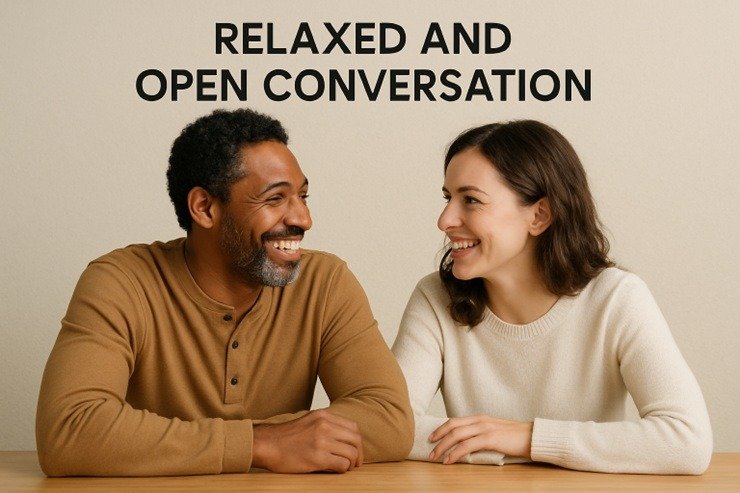
Effective, ongoing communication is the backbone of healthy relationships. When couples make a dedicated effort to communicate openly and consistently, they build a strong foundation of trust, empathy, and shared understanding. Not only does this reinforce emotional connections, but it also provides essential support to navigate challenges together. For those seeking guidance, turning to trusted couples therapy near me is a valuable step towards creating lasting positive change.
Consistent, authentic communication helps couples feel seen and heard. This level of openness encourages both partners to express their needs and concerns without fear of judgment or dismissal. Over time, these habits establish a safe space where problems can be solved collaboratively, and emotional intimacy can thrive. Prioritizing regular, genuine conversations ensures that relationships are not only resilient during times of stress but also able to celebrate successes together.
Making communication a daily habit can safeguard a relationship from misunderstandings and foster ongoing feelings of closeness. In fact, partners who invest in these skills are more likely to enjoy greater satisfaction and navigate difficult periods with resilience and understanding. Approaching each other with curiosity, patience, and consistent support lays the groundwork for a lasting partnership.
Each relationship is unique, and what works for one couple may look different for another. Building a toolkit of reliable, research-backed strategies can help partners customize their approach and sustainably strengthen their connection.
The Importance of Consistent Communication
Maintaining regular communication is fundamental to building trust and mutual respect. When couples share updates about their day, discuss worries, or reminisce about meaningful moments, it demonstrates ongoing commitment. This consistency reassures both partners of their importance to each other, diminishing doubts and promoting a sense of safety.
Studies highlight the beneficial impact of frequent interactions on marital and long-term relationship satisfaction. According to research from the Greater Good Science Center, ongoing communication is directly linked to higher levels of trust and emotional intimacy. Through consistent sharing, couples learn to understand each other’s perspectives and emotional needs, leading to a more resilient partnership.
Active Listening: A Key Component
Active listening is vital for establishing trust and making partners feel appreciated. It involves focusing on the partner’s speech rather than planning a response, thereby enhancing mutual understanding. Key active listening practices include maintaining eye contact, summarizing statements for clarity, eliminating distractions, showing empathy, and refraining from interruptions. This approach helps prevent misunderstandings and emotional disconnection, thereby fostering a sense of security and satisfaction in the relationship over time.
Using “I” Statements to Express Feelings
Communicating emotions with “I” statements rather than accusatory language is an effective strategy for reducing conflict in relationships. For instance, expressing feelings such as “I feel hurt when plans change without notice” is more constructive than saying “You always change our plans.” This method encourages partners to share their concerns without triggering defensiveness, focusing on the problem instead of assigning blame. The benefits of using “I” statements include promoting honest and constructive dialogue, encouraging mutual responsibility for emotions, fostering a collaborative approach to problem-solving, and nurturing deeper emotional intimacy by being open about feelings while also respecting the partner’s experience.
Scheduling Regular Check-Ins
Setting aside specific times to connect ensures that important conversations do not get lost in the hustle of daily life. Scheduling weekly or even daily check-ins can help partners revisit shared goals, address concerns, and celebrate small victories together. These moments build routine opportunities for open dialogue and reinforce the partnership’s importance to both individuals.
Whether over morning coffee, during a weekly walk, or at the dinner table, intentional check-ins help maintain alignment and keep the relationship on track.
The Role of Nonverbal Cues
Nonverbal communication often conveys more than spoken words. Facial expressions, hand gestures, and tone of voice all offer clues about intent and feelings. Being mindful of these cues improves empathy and helps prevent misunderstandings. For example, a gentle touch or a warm smile can reinforce verbal reassurance, while crossed arms or a raised voice may signal discomfort or defensiveness.
Learning to read and respond to these subtle signals ensures that messages are interpreted accurately and that each partner feels truly heard and understood.
Considering Timing and Context
Selecting the right time and place for sensitive discussions makes a significant difference in communication outcomes. Difficult topics are best addressed in private, calm settings where interruptions are unlikely. Avoid launching into serious matters during high-stress moments or when one partner is rushed or tired. Respectful consideration of timing demonstrates care and increases the chances that both participants can respond thoughtfully and authentically.
Expressing Appreciation and Gratitude
Recognizing and acknowledging your partner’s efforts creates an atmosphere of appreciation that encourages continued positive actions. Simple expressions such as “thank you for listening” or “I appreciate you making time for us” foster a supportive environment. Regular gratitude supports emotional well-being for both partners and helps weather challenges together.
The ongoing practice of gratitude strengthens romantic bonds and reminds both individuals of their commitment and investment in the relationship.
Conclusion
Developing consistent communication habits is vital for a satisfying and resilient relationship. Techniques such as active listening, respectful “I” statements, regular check-ins, nonverbal awareness, prudent consideration of context, and the frequent display of gratitude all contribute to healthy partnerships. Investing in these patterns creates trust and intimacy that lasts through both good times and harder moments. For those who need additional guidance, seeking professional help can provide customized support on the path toward relationship growth and healing.













Creating a Life That Feels Right: How Your Home Can Reflect the Life You Truly Want

A Simple Money System For Small Businesses: Cash Flow, Payments, And Access

How to Create Presentations That People Understand and Remember

Why Personalized Gifts Are Replacing Traditional Gift Ideas

Why Natural Diamonds Continue to Define Modern Luxury

Understanding the Intricacies of Social Security Benefits

Why Every Public Washroom Needs a Diaper Changing Station

How To Design Website Navigation That Feels Clear, Fast, And Easy To Use

How To Prepare Your Mind and Body for a Life-Changing Experience

Value of Parents’ Quotes That Inspire Gratitude, Respect, and Strong Family Bonds

100 Motivational Quotes to Inspire You in 2026

How to Create a Vision Board That Actually Works (2026)

22 Best Self-Help Books to Read in 2026

How to Achieve Personal Growth in 2026

New Year Wishes and Quotes to Inspire and Celebrate (2026)

Loeb Smith reviews: Why Crypto Licensing Demands Patience, Structure, and Skepticism

Custom Cover Letter Generator: Create Tailored Letters in Minutes

Beyond the Shore: The Coolest Boat Trips Around the World

How to Leverage Personal Development for Career Advancement

Top Fitness Coach Certification Programs for Aspiring Trainers
-

 Motivation6 years ago
4 Fun New Hobbies To Try This Year
-

 Quotes3 years ago
53 Motivational Gym Quotes to Fuel Gym Workout
-

 Quotes11 years ago
50 Most Powerful Quotes Ever Spoken
-

 Travel2 years ago
Why You Should Travel More: The Many Benefits of Seeing the World
-
 Quotes8 months ago
100 Motivational Quotes to Inspire You in 2026
-

 Quotes2 years ago
43 Inspirational Quotes About Thoughts
-

 Quotes4 years ago
Motivational Quotes by Famous People
-

 Quotes1 year ago
100 Motivational Quotes to Start Your Day with Positivity