
Lifestyle
How Ceramic Coating Technology Is Evolving to Deliver Better Vehicle Protection

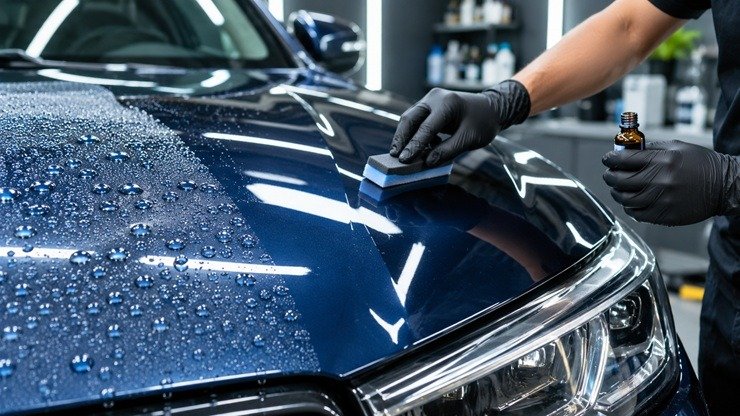
Ceramic coatings started as a niche product for show cars. Today they are a common service for everyday drivers. The idea is simple. A liquid layer bonds to the paint and forms a hard, clear shield. It helps resist UV rays, water spots, road film, and light chemical stains. But the products on the market now are not the same as the ones sold five years ago. Chemistry has improved. Application methods have improved. And buyers have become more careful about what the labels actually promise. This article explains how ceramic coating technology has changed, what the newer formulas do better, and where the limits still are. You will also see how to pick a product, what prep work matters, and how to care for a coating after it cures. If you are thinking about protecting your vehicle, this guide will help you ask better questions before you spend money.
Where Ceramic Coatings Came From
Ceramic coatings grew out of industrial and aerospace research. Engineers wanted thin layers that could protect surfaces from heat, wear, and chemicals. Over time, the same ideas moved into the car care market.
Early consumer coatings were hard to use. They flashed fast, left high spots, and needed a controlled shop. Many of them were sold only to trained installers.
Now the picture is different. Coatings are easier to apply, more varied, and sold at several price levels. That change brought more choice, but also more confusing claims.
What Is Actually in the Bottle
Most ceramic coatings are built on silicon dioxide, often called SiO2. This is the same basic compound found in quartz and glass. It is mixed with solvents and other ingredients that help it spread and bond.
When you apply it, the solvent evaporates. The remaining material links together and bonds to the clear coat. The result is a thin, hard layer that sits on top of the paint. It is only a few microns thick, which is far thinner than a human hair.
That thin layer is why prep matters so much. The coating copies whatever sits underneath it, flaws included.
Newer Formulas Go Beyond Basic SiO2
Manufacturers now mix in other materials to change how the coating behaves.
- Silicon carbide (SiC): Some brands add it to improve slickness and chemical resistance.
- Graphene based products: These are marketed as heat resistant and resistant to water spotting. Claims vary a lot between brands.
- Hybrid polymer blends: These combine ceramic with flexible resins to reduce brittleness.
- Titanium and other additives: Some formulas use them to adjust gloss or cure behavior.
Be careful with big claims here. Some of these terms are real chemistry, and some are marketing language. A small amount of an additive does not always change the final result. Ask the maker what the product does in practice and look for independent tests.
Hardness Claims and What 9H Really Means
You will see “9H” on many bottles. It comes from the pencil hardness scale, which is a simple test used on coatings. A 9H rating means the surface resisted a hard pencil lead without being scratched by it.
That is not the same as scratch proof. A car wash brush, grit on a towel, or a key can still mark a coating. The layer is also very thin, so it cannot stop a stone chip.
What a hard coating does offer is better resistance to light marring and wash induced swirls. That is useful, and it is real. Just don’t expect armor.
Self Healing and Heat Activated Topcoats
One of the more interesting changes is the rise of self healing layers. These are usually flexible polymer coatings that can smooth out very light scratches when exposed to warmth, such as sun or warm water.
They work on fine marks only. Deep scratches that cut into the clear coat will not disappear. Think of it as a way to reduce light swirls between details.
Some ceramic products pair with these layers. The ceramic adds chemical resistance and gloss, and the polymer layer adds some flexibility. Results depend heavily on product quality and proper curing.
Better Water Behavior and Easier Cleaning
The main benefit most owners notice is how water acts on the surface. A good coating makes water bead and sheet off. Dirt has a harder time sticking, so washing gets faster.
Newer coatings aim to keep that behavior longer. Older products often lost their slickness in a year or two as road film built up. Newer formulas are built to resist that buildup and to stay slick longer.
But the effect is not magic. A coating that is dirty will not bead well. Regular washing keeps the surface clean and keeps it working.
Easier Products for Home Users
The market now has three broad groups:
- Professional grade coatings: Sold to trained installers. They usually last longer but need careful application.
- Consumer kits: Made for home use, with simpler steps and longer working time.
- Spray ceramics: Fast to apply and forgiving, but usually shorter lived.
Consumer products have improved a lot. A careful owner can get good results at home. Still, the first two steps decide the outcome, and those are washing and paint correction. Skipping them leads to a coating that locks in swirl marks.
Why Prep Work Still Decides the Result
A coating does not fix paint. It seals it. If the paint has scratches, water spots, or old wax when you apply it, those problems stay under the layer for years.
Proper prep usually includes:
- A full wash and decontamination
- Clay bar treatment to remove bonded dirt
- Machine polishing to remove swirls and light defects
- A panel wipe to remove oils before coating
This is why many owners hire a pro. A shop offering car detailing fort lauderdale services will typically handle the correction and coating as one job, with the right lighting and tools. The extra cost often goes into prep, not the liquid itself.
Climate Matters More Than People Think
Where you live changes what a coating has to face. Strong sun, salt air, humidity, and frequent rain all stress paint. UV light fades clear coat. Salt speeds up corrosion on exposed metal. Humidity and heavy rain leave mineral spots.
In coastal Florida, these factors are daily conditions. Owners there often look for a ceramic paint sealant fort lauderdale installer who applies a product built for strong UV and salt exposure. Local installers also know how to handle cure times in heat and humidity, which can change how a coating flashes and levels.
If you live in a harsh climate, ask the installer how the product holds up there. Real local experience is worth more than a long spec sheet.
Curing Time and Early Aftercare
A coating does not reach full strength the moment it is applied. It cures over time. The first few hours are the most sensitive. Full cure can take several days to a couple of weeks, depending on the product.
During that time:
- Keep the car dry and out of rain if possible
- Do not wash it for the period the installer recommends
- Avoid parking under trees or near sprinklers
- Skip harsh chemicals and automatic brush washes
Many problems blamed on the coating actually come from poor aftercare during curing. Follow the instructions closely.
Long Term Care and Maintenance
A coating lowers your workload, but it does not remove it. To keep it working:
- Wash every one to two weeks with a pH neutral soap
- Use clean microfiber towels
- Avoid strong degreasers and harsh acid cleaners
- Remove bird droppings and bug residue quickly
- Add a maintenance spray now and then if the maker suggests it
- Book an inspection once a year
Lifespan claims range from two years to seven or more. Real life results depend on climate, parking, washing habits, and product quality. Treat long claims as a best case, not a promise.
Limits You Should Know About
Ceramic coating is useful, but it has clear limits.
- It does not stop rock chips or deep scratches
- It will not fix existing paint damage
- It can show water spots if hard water dries on it
- It can fail if the prep was poor
- Some claims on labels are hard to prove
If you want protection from rock chips, paint protection film is a better choice. Many owners use film on the front end and coating on the rest. The two products do different jobs.
How to Choose a Product or Installer
Here are a few simple checks.
- Ask what the coating is made of and what it is meant to do
- Ask how many layers will be applied
- Ask what prep work is included in the price
- Ask how long the installer expects it to last in your area
- Ask what the warranty covers and what voids it
- Look at photos of past work, not only stock images
Be careful with very cheap deals. Low prices often mean skipped prep or watered down products. A fair price usually reflects real labor.
What Comes Next for Ceramic Coatings
Research is moving in a few directions. Makers are working on coatings that resist water spotting better, stay slick longer, and cure faster. There is also interest in lower odor and lower solvent formulas, which are easier on installers and the environment.
Expect more hybrid systems too. These combine hard layers and flexible layers to balance durability and scratch resistance. And expect more independent testing, as buyers push for proof instead of slogans.
Final Thoughts
Ceramic coating technology has come a long way. Formulas are better, products are easier to use, and results can last longer. But the basics have not changed. Clean, corrected paint comes first. Careful curing comes next. Regular washing keeps the coating working.
Treat big claims with some doubt. Ask direct questions, and choose an installer who explains the process in plain words. Do that, and a good coating can make your car easier to clean and help it keep its look for years.













How Ceramic Coating Technology Is Evolving to Deliver Better Vehicle Protection

How to Download and Use Telegram on Any Device

Cinnamon, Green Tea and Ginger: What Everyday Kitchen Staples Can Do for Metabolic Health

From Cusco to Machu Picchu: Choosing the Right Route Through the Sacred Valley

Interior Designers Are Prioritizing Soil Volume to Keep Statement Trees Thriving

How to Help Your Toddler Settle Into Daycare Without Tears Every Morning

How to Tell Whether Your Child Is Ready to Start Preschool

Why Your Ears Ring After Work and When You Should Be Concerned

How to Build Connected Automotive Marketing Campaigns That Drive Measurable Action

Mortgage Fraud Red Flags Homebuyers Should Check Before Closing

100 Motivational Quotes to Inspire You in 2026

How to Create a Vision Board That Actually Works (2026)

22 Best Self-Help Books to Read in 2026

How to Achieve Personal Growth in 2026

New Year Wishes and Quotes to Inspire and Celebrate (2026)

Loeb Smith reviews: Why Crypto Licensing Demands Patience, Structure, and Skepticism

Your Guide to Building the Life You Want as a Medical Professional

Romantic Cabins In Tennessee: A Guide to Location, Privacy, And Scenic Views

AI SEO Tools Every Website Owner Should Know

What to Put in Diaper Bag: The Ultimate Checklist for Parents on the Go All the Time
-

 Motivation6 years ago
4 Fun New Hobbies To Try This Year
-

 Quotes4 years ago
53 Motivational Gym Quotes to Fuel Gym Workout
-

 Quotes11 years ago
50 Most Powerful Quotes Ever Spoken
-

 Travel2 years ago
Why You Should Travel More: The Many Benefits of Seeing the World
-
 Quotes11 months ago
100 Motivational Quotes to Inspire You in 2026
-

 Quotes3 years ago
43 Inspirational Quotes About Thoughts
-

 Quotes4 years ago
Motivational Quotes by Famous People
-

 Quotes1 year ago
100 Motivational Quotes to Start Your Day with Positivity