
Tech
The Role of Technology in Modern Yard Maintenance

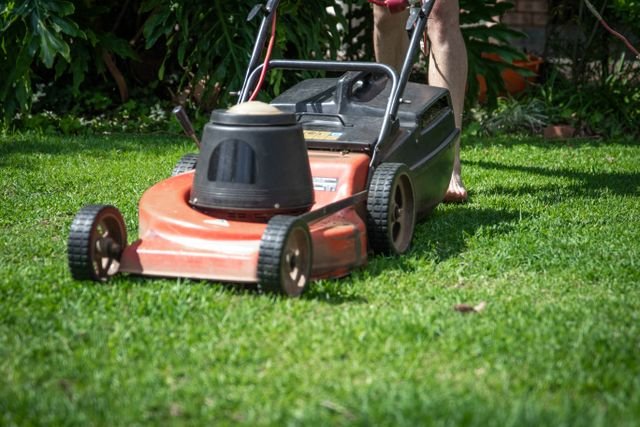
For decades, maintaining a pristine lawn was synonymous with grueling physical labor, the deafening roar of combustion engines, and the inescapable smell of exhaust fumes. Today, however, the landscape of lawn care has been fundamentally transformed. The integration of advanced technology into modern yard maintenance has shifted the paradigm from back-breaking chores to streamlined, eco-friendly, and highly efficient practices. From autonomous robots that quietly clip the grass to intelligent watering systems that read weather forecasts, technology is redefining what it means to care for our outdoor spaces. This evolution not only saves homeowners countless hours but also champions environmental sustainability and user safety.
The Shift to Battery-Powered Efficiency
The advent of high-capacity lithium-ion batteries changed everything. Modern battery technology has advanced to the point where it can match or even exceed the torque and power output of traditional gas engines, but without the negative byproducts. This cordless revolution has introduced a new era of convenience and mobility. Homeowners can now rely on lightweight, highly efficient tools that start with the simple push of a button. Modern Worx weed trimmers exemplify how cordless technology provides the necessary power to tackle dense overgrowth while offering the freedom to roam without being tethered to an electrical outlet or bogged down by a heavy gas tank. This shift drastically reduces the noise pollution that has historically plagued suburban neighborhoods on early weekend mornings.
Smart Irrigation and Water Conservation
While battery technology has revolutionized the tools we hold in our hands, artificial intelligence and smart connectivity have revolutionized the systems that run in the background. Water conservation is a critical global issue, and traditional irrigation timers, which water the lawn on a fixed schedule regardless of the actual weather, are notorious for wasting millions of gallons of water annually. Enter smart irrigation technology.
Today’s smart sprinkler controllers utilize real-time meteorological data, soil moisture sensors, and plant-specific algorithms to optimize watering schedules. According to research from the Oklahoma State University Extension, smart irrigation controllers significantly reduce outdoor water consumption by dynamically adjusting based on current weather and plant needs rather than a static user-determined schedule. This prevents overwatering, which not only conserves a precious natural resource and lowers utility bills but also protects plants from root rot and fungal diseases caused by excessive moisture.
The Rise of Autonomous Lawn Care

Another marvel of modern yard maintenance technology is the rise of the robotic lawnmower. Much like the robotic vacuum cleaners that have become ubiquitous inside our homes, autonomous mowers have taken over the repetitive task of cutting grass. Using a combination of GPS tracking, collision sensors, and perimeter boundary wires, these compact machines navigate the yard independently.
Unlike traditional mowing, which is typically done once a week and removes a large portion of the grass blade at once, robotic mowers are designed to operate frequently, trimming just a few millimeters at a time. This continuous micro-clipping acts as a natural mulch, returning essential nitrogen and nutrients back to the soil and promoting a thicker, healthier turf. Furthermore, because they are battery-powered and virtually silent, these autonomous assistants can operate at night or during the early morning hours without disturbing the household or the neighbors. The homeowner simply programs a schedule via a smartphone app and lets the technology handle the rest.
Ergonomics and Human-Centric Design
Beyond the internal mechanisms of these machines, technology has drastically improved the physical design and ergonomics of yard maintenance tools. In the past, operating a heavy steel-shafted trimmer or a vibrating chainsaw for extended periods could lead to significant physical fatigue and muscle strain. Modern engineering utilizes advanced, lightweight materials such as carbon fiber composites, high-impact polymers, and aerospace-grade aluminum to construct equipment that is durable yet incredibly light.
Furthermore, technology allows for sophisticated ergonomic features, such as telescoping shafts that adjust to the user’s height, articulating cutting heads, and advanced vibration-dampening systems. By prioritizing human-centric design, manufacturers ensure that yard work is accessible to a broader demographic, including older adults and those with limited physical strength. When the tools adapt to the user rather than forcing the user to adapt to the tool, the risk of injury is minimized, and the overall experience becomes far more enjoyable.
The role of technology in modern yard maintenance represents a perfect synergy between human convenience and environmental stewardship. We have moved far beyond the days of loud, polluting, and labor-intensive lawn care. Today’s landscaping relies on intelligent design, clean energy, and autonomous systems to create beautiful outdoor spaces with a fraction of the effort. Whether it is through water-saving smart irrigation, the tireless efficiency of robotic mowers, or the lightweight power of advanced cordless tools, technology is helping homeowners reclaim their weekends. As battery capacities continue to grow and AI integration becomes even more sophisticated, the future of yard care promises to be even greener, quieter, and smarter.














Keep Your CPR Skills Ready: A Simple Renewal Plan for Work, Home, and Community

The Moving-Day Survival Kit Every Household Should Prepare

Things People Wish They Had Planned Better Before Moving

Does Where You Live Affect Your Life Expectancy?

An Inside Look at How We Built a Scalable Customer Experience

A Simple Scalp-First Hair-Care Routine for Thinning Hair

How Live Music Shapes Better Corporate Events

Move From Manual Payroll to Payroll Software With ADP: How ADP Helps Businesses Improve Accuracy, Compliance, and Efficiency

Why Cultural Capability Matters in Stakeholder Engagement

From Everyday Savings to Exclusive Offers: Discovering the Best Deals This Week

100 Motivational Quotes to Inspire You in 2026

How to Create a Vision Board That Actually Works (2026)

22 Best Self-Help Books to Read in 2026

How to Achieve Personal Growth in 2026

New Year Wishes and Quotes to Inspire and Celebrate (2026)

Loeb Smith reviews: Why Crypto Licensing Demands Patience, Structure, and Skepticism

How to Leverage Personal Development for Career Advancement

Top Fitness Coach Certification Programs for Aspiring Trainers

From Denver to Vail: Secrets, Snow, and Soul of the Rockies

How to Choose the Best Manali Tour Package for a Family-Friendly Vacation?
-

 Motivation6 years ago
4 Fun New Hobbies To Try This Year
-

 Quotes4 years ago
53 Motivational Gym Quotes to Fuel Gym Workout
-

 Quotes11 years ago
50 Most Powerful Quotes Ever Spoken
-

 Travel2 years ago
Why You Should Travel More: The Many Benefits of Seeing the World
-
 Quotes10 months ago
100 Motivational Quotes to Inspire You in 2026
-

 Quotes3 years ago
43 Inspirational Quotes About Thoughts
-

 Quotes4 years ago
Motivational Quotes by Famous People
-

 Quotes1 year ago
100 Motivational Quotes to Start Your Day with Positivity