
Lifestyle
Essential Boat Cover Maintenance Tips for Longevity

Key Takeaways
- Regular cleaning is vital to stop mold and mildew from developing.
- Proper installation and support systems are necessary to prevent water pooling and fabric damage.
- Timely repairs and recoating treatments significantly increase the life expectancy of your cover.
Maintaining your boat cover is crucial not just for appearance but also for protecting your vessel from the elements and extending the cover’s lifespan. Whether you have a manual tarp or advanced electric boat covers, understanding and practicing proper upkeep protects your investment and minimizes costs over time. Regular maintenance keeps your boat ready for your next outing and prevents long-term damage often caused by neglect.
Your boat cover acts as the first line of defense against everything from UV rays and rain to dust and debris. Without routine care and attention, covers can degrade prematurely, exposing your boat to costly repairs. By following a consistent care routine, you ensure both the cover and the ship beneath remain in optimal condition, making each trip out on the water hassle-free and enjoyable.
With the proper techniques, you can prevent common problems such as water pooling, mold, and fabric wear. DIY solutions and professional-grade products are available, but understanding when and how to use them makes all the difference in performance. Investing time in maintenance now means your cover will withstand the harshest seasons and keep your vessel in ready-to-go shape.
Ignoring minor issues can lead to expensive replacements and unnecessary frustration. Being vigilant in your boat cover care translates into peace of mind, allowing you to focus on making unforgettable memories on the waves.
Regular Cleaning
Keeping your boat cover clean is the single most effective way to extend its life. Debris, dirt, and environmental pollutants can weaken the fabric and allow mildew to thrive. Clean the cover with a soft-bristle brush and a gentle soap that won’t strip away protective coatings. Avoid abrasive scrubbing and stick with cool or lukewarm water for rinsing. Always let the cover fully air dry before putting it back on or storing it, as even a little moisture can lead to mold and nasty odors.
Proper Installation
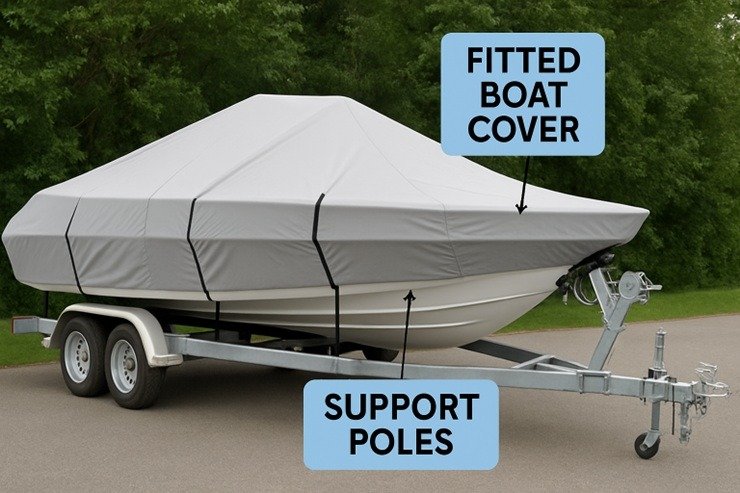
Incorrect installation leads to loose spots where rainwater can collect, causing sagging and even tears in the material. Always use support poles, straps, or framing to make a slight peak so water runs off. Double-check that every attachment is snug and secure to prevent the cover from shifting in the wind or storms. Taking the few extra minutes to install your cover properly safeguards both the cover and your boat from unnecessary exposure.
Preventing Mold and Mildew
Moisture is the enemy when it comes to boat covers. Before covering your boat or storing the cover, make sure the canopy is completely dry. Store it in a cool, shaded, and well-ventilated area, never in a tightly sealed bag where humidity can get trapped. Breathable storage solutions further decrease the risk of mold. Regularly check for any early signs of mildew so you can spot-clean before it spreads. For more on mold prevention, visit Boat Covers Direct’s guide on cleaning and storing covers.
Timely Repairs
Small tears or holes in your boat cover can become a disaster if left unattended, especially during rainy seasons. Carry a patch repair kit suitable for your cover’s material and address rips right away. For larger holes, avoid tape or household adhesives, as they rarely hold up outdoors; instead, seek help from a marine canvas professional. Staying proactive with repairs is far cheaper than needing a complete replacement due to spreading damage.
Reapplying Protective Coatings
Over time, the protective treatments that make a boat cover water- and UV-resistant wear off due to sun exposure and cleaning. After thorough washing and drying, use a marine-grade spray designed for your cover’s fabric to restore its water repellency and shield against harmful rays. These coatings usually last a season or two, but check them periodically by spraying a little water on the surface; if it soaks in rather than beads up, it’s time to reapply. The Boat Covers Direct resource on cover treatments is a helpful guide with detailed steps for recoating.
Off-Season Storage
When boating season ends, clean and completely dry your cover before storing it. Avoid stacking heavy items on top of the cover, as this can crease and eventually weaken the fabric. Store it loosely rolled or lightly folded in a ventilated area, not crammed in a dark, damp basement or dock locker. Check your stored cover periodically for signs of pests, moisture, or wear, especially in high-humidity climates.
Avoiding Common Mistakes
Never use a washing machine to clean your boat cover. Agitation can cause tears, broken seams, and weakened fabric. Likewise, avoid bleach and commercial cleaners containing harsh chemicals, as they can damage coatings and shorten their lifespan. Lastly, never put away a damp or dirty cover; always ensure it is spotless and dry to prevent mold and eliminate lasting odors.
Conclusion
Proper boat cover maintenance is an investment in your boat’s protection and your own peace of mind. These proactive habits prevent costly repairs and keep your vessel protected year-round. Make cover care a routine, and your boat will be ready for adventures year after year.













Success Without Burnout: Rethinking Motivation and Mental Well-Being

How Frost, Groundwater, and Winterization Shape In Ground Pool Design in Minnesota

What Homeowners Get Wrong About HVAC Sizing and Ductwork

How to Match HVAC to Toronto Homes: Climate, Ductwork, and Humidity Control

When Your AC Blows Warm Air: A Homeowner’s Diagnostic Guide Before Calling for Repair

Diagnosing Hot and Cold Rooms: How Airflow, Ducts, and Thermostats Create Uneven Temperatures

How Design Choices Shape the Performance of Wooden Shutters

Before You Call for HVAC Repair in Vancouver: How to Read the Signs and Check the Basics

Before You Add an EV Charger or Heat Pump: Checking Electrical Capacity in Vancouver, WA

When Uber or Lyft App Status Decides Who Pays: Practical Steps After a Rideshare Crash

100 Motivational Quotes to Inspire You in 2026

How to Create a Vision Board That Actually Works (2026)

22 Best Self-Help Books to Read in 2026

How to Achieve Personal Growth in 2026

New Year Wishes and Quotes to Inspire and Celebrate (2026)

Loeb Smith reviews: Why Crypto Licensing Demands Patience, Structure, and Skepticism

Custom Cover Letter Generator: Create Tailored Letters in Minutes

How to Leverage Personal Development for Career Advancement

Top Fitness Coach Certification Programs for Aspiring Trainers

From Denver to Vail: Secrets, Snow, and Soul of the Rockies
-

 Motivation6 years ago
4 Fun New Hobbies To Try This Year
-

 Quotes3 years ago
53 Motivational Gym Quotes to Fuel Gym Workout
-

 Quotes11 years ago
50 Most Powerful Quotes Ever Spoken
-

 Travel2 years ago
Why You Should Travel More: The Many Benefits of Seeing the World
-
 Quotes9 months ago
100 Motivational Quotes to Inspire You in 2026
-

 Quotes2 years ago
43 Inspirational Quotes About Thoughts
-

 Quotes4 years ago
Motivational Quotes by Famous People
-

 Quotes1 year ago
100 Motivational Quotes to Start Your Day with Positivity