
Business
How Security Technology Can Drive Smarter Business Decisions

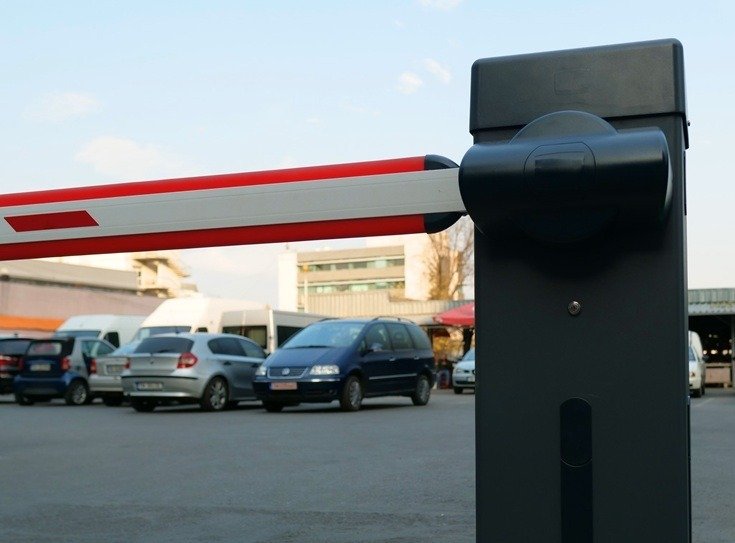
Image Credit: Pexels
Modern businesses collect vast amounts of information, but often only a fraction of it gets used to its full potential. Security systems, in particular, are frequently viewed through a narrow lens of loss prevention and incident response. The real opportunity, however, lies in transforming these systems from passive observers into active contributors to business intelligence and operational efficiency. By shifting perspective, organizations can unlock new avenues for growth, optimize resources, and create smarter, more responsive environments.
Rethinking Security Goals
Security systems traditionally watched and reacted. Today, the conversation is shifting toward proactive intelligence. Instead of just recording events, smart systems can analyze patterns, identify inefficiencies, and provide data that informs strategic decisions. This evolution requires a new mindset that sees security infrastructure as an investment in business optimization, not just a cost center for protection. The future of security solutions isn’t just about preventing negative outcomes, but also about enabling positive ones. It’s about asking what else the system can do for you beyond its primary security function.
Data as a Strategic Asset
Every interaction a smart system captures becomes a data point. When aggregated and analyzed, this data turns into a powerful strategic asset. For example, video analytics can reveal customer traffic patterns in a retail store, helping managers optimize store layout and product placement. In a corporate office, access control data can highlight underutilized spaces, informing decisions about real estate and remote work policies. The key is to have a framework for data security and analysis that turns raw information into actionable business intelligence. This transforms security hardware into the eyes and ears of your business operations team. The broader use of smart technology is also helping businesses organize information, streamline workflows, and make better use of connected systems.
Intelligent Vehicle Tracking
Managing vehicle flow presents a major operational challenge for many businesses, from corporate campuses and shopping centers to airports and logistics hubs. Moving beyond simple gate access, modern systems can provide useful data about vehicle activity. For instance, automatic license plate recognition technology can capture license plate information and help organizations understand vehicle movements across their properties. This information can support applications such as monitoring parking activity, identifying traffic patterns, and improving the management of busy entry and exit points. By turning vehicle activity into usable data, organizations can gain greater visibility into operations and make more informed decisions about staffing, traffic flow, and site management.
Driving Operational Insights
Data gathered from smart systems directly fuels operational improvements. Imagine a large entertainment venue using vehicle tracking data to anticipate crowd arrival patterns. This information allows them to adjust staffing at entry points, concession stands, and security checkpoints in real-time, preventing bottlenecks and enhancing the guest experience. Similarly, a distribution center can analyze truck arrival and departure data to optimize loading dock schedules, reducing driver wait times and increasing throughput. These insights help businesses become more agile and efficient, translating directly to cost savings and improved service quality. The goal is to connect the dots between security data and business performance.
Future of Smart Infrastructure
As technology continues to advance, these individual smart systems will increasingly connect to form a cohesive, intelligent infrastructure. This concept, often called the “smart city” or “smart campus,” integrates data from various sources like traffic, security, energy usage, and public services to create a more efficient and responsive environment. For businesses, this means their internal systems can interact with the broader ecosystem. A delivery fleet’s navigation could sync with city traffic data to find the fastest routes, while a corporate campus could adjust its energy consumption based on real-time occupancy data. This interconnectedness promises a future where operational decisions are not just informed by internal data, but by a holistic view of the surrounding environment.
Viewing security systems as tools for business intelligence opens up a world of possibilities for growth and efficiency. Harnessing the data these systems collect helps you gain a deeper understanding of your operations and make smarter, more strategic decisions that drive your business forward.











A Closer Look At The New Z library Official Domain In 2026

How Security Technology Can Drive Smarter Business Decisions

Success Without Burnout: Rethinking Motivation and Mental Well-Being

How Frost, Groundwater, and Winterization Shape In Ground Pool Design in Minnesota

What Homeowners Get Wrong About HVAC Sizing and Ductwork

How to Match HVAC to Toronto Homes: Climate, Ductwork, and Humidity Control

When Your AC Blows Warm Air: A Homeowner’s Diagnostic Guide Before Calling for Repair

Diagnosing Hot and Cold Rooms: How Airflow, Ducts, and Thermostats Create Uneven Temperatures

How Design Choices Shape the Performance of Wooden Shutters

Before You Call for HVAC Repair in Vancouver: How to Read the Signs and Check the Basics

100 Motivational Quotes to Inspire You in 2026

How to Create a Vision Board That Actually Works (2026)

22 Best Self-Help Books to Read in 2026

How to Achieve Personal Growth in 2026

New Year Wishes and Quotes to Inspire and Celebrate (2026)

Loeb Smith reviews: Why Crypto Licensing Demands Patience, Structure, and Skepticism

Custom Cover Letter Generator: Create Tailored Letters in Minutes

How to Leverage Personal Development for Career Advancement

Top Fitness Coach Certification Programs for Aspiring Trainers

From Denver to Vail: Secrets, Snow, and Soul of the Rockies
-

 Motivation6 years ago
4 Fun New Hobbies To Try This Year
-

 Quotes3 years ago
53 Motivational Gym Quotes to Fuel Gym Workout
-

 Quotes11 years ago
50 Most Powerful Quotes Ever Spoken
-

 Travel2 years ago
Why You Should Travel More: The Many Benefits of Seeing the World
-
 Quotes9 months ago
100 Motivational Quotes to Inspire You in 2026
-

 Quotes2 years ago
43 Inspirational Quotes About Thoughts
-

 Quotes4 years ago
Motivational Quotes by Famous People
-

 Quotes1 year ago
100 Motivational Quotes to Start Your Day with Positivity