
Business
The Digital Soil: How Automation and Smart Machinery are Revolutionizing Fertilizer Efficiency

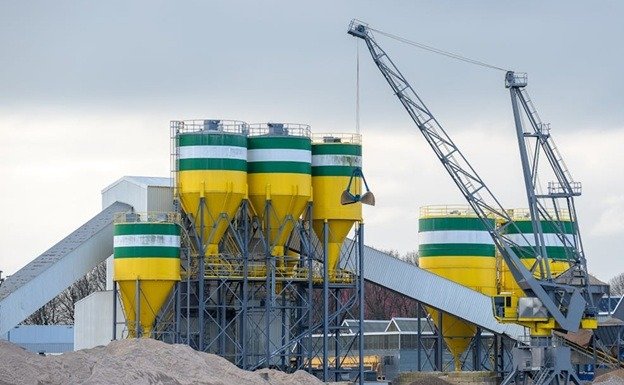
Key Takeaways
- Fertilizer efficiency is shaped inside the plant by how well the process controls moisture, granule size, recycle load, and bagging accuracy.
- Most losses begin as small process drift, not major failure: wet product, unstable sizing, excess fines, rising recycle, and filler drift.
- Automation creates value when measurement is tied to action through closed-loop control, not when data is only displayed on a screen.
- Smart machinery is most useful when it keeps the whole line stable, from dosing and drying to screening, packing, and critical asset maintenance.
Where Fertilizer Efficiency Is Really Won
Fertilizer efficiency is not decided only by machine capacity or hourly tonnage. It is decided by whether the plant can produce granules that stay within moisture and size targets, move cleanly through the system, resist caking in storage, and leave the line at the correct bag weight. Industry guidance on fertilizer quality repeatedly points to moisture level, particle size, caking tendency, bulk density, and physical breakdown as core product characteristics, which means efficiency and quality are already being won or lost before the product reaches the customer.
This is where the idea of “digital soil” matters. In practical terms, it is the shared layer of sensors, weighing systems, control logic, and machine feedback running through the production line. When that layer is strong, feeders dose more accurately, thermal stages stay closer to target, screens work under steadier conditions, and the packer sees a more consistent product. The result is not just more data. The result is a more stable process.
Where Efficiency Is Usually Lost
In most fertilizer plants, losses do not begin with a catastrophic breakdown. They begin with drift. Product leaves the dryer a little too wet. Granules become softer and stickier. Fines increase. Flow through screens and chutes becomes less stable. Moisture pickup and physical breakdown can also push material out of specification during storage and handling, creating caking, more dust, and weaker physical quality.
The same pattern shows up in sizing. If the granulation circuit is unstable, the plant produces too many fines and oversize particles, which increases recycle and reduces the share of saleable on-size product. Work on granular fertilizer screening shows that markets have moved toward tighter size expectations and that screening arrangements can directly influence recycle ratio and product uniformity. In other words, a line can appear busy while quietly losing real efficiency inside the circuit.
Measurement Comes Before Control
A plant cannot control what it does not measure reliably. Closed-loop control depends on a measured process variable, a target value, and an automatic response that adjusts the system when deviation appears. Without that loop, operators are left making manual corrections after the process has already moved away from target.
That is why the first step in smarter fertilizer production is dependable measurement at the points where losses actually begin: feeder weights, liquid addition, moisture, temperature, airflow, recycle flow, and fill weight. Once those values are measured continuously, the plant can correct small drift before it turns into rework, giveaway, off-spec product, or downtime. Good automation does not remove operators from the process. It gives them a process that stays under control for longer and is easier to manage when something changes.
Stable Granulation, Screening, and Packaging
The heart of fertilizer efficiency is stability across granulation, drying, cooling, and screening. Moisture matters because excess water reduces physical quality: particles can become soft and sticky, caking tendency rises, dust and fines increase, and operations such as bagging can be affected. Screening matters because poor size control means more material circulates internally instead of leaving as saleable product. Published screening work also shows that reducing recycle and improving size uniformity can improve overall plant balance and final product quality.
Packaging is the final place where value can still be protected. Checkweighing guidance shows that feedback from a checkweigher can reduce filler drift, minimise product giveaway, and keep filled items closer to target weight. At the same time, maintenance must protect the machines that hold the process together. Condition monitoring is most useful on critical assets, where early detection of faults through signals such as current, temperature, voltage, or vibration can prevent lost production and expensive repairs.
Conclusion
The real promise of automation in fertilizer production is not that it makes the plant look modern. It is that it helps the plant stay closer to its best operating condition for longer periods. That means more stable moisture, better granule sizing, lower recycle, less dust, fewer bagging losses, and fewer disruptions from critical equipment. When the digital layer underneath the process is strong, efficiency stops depending on constant correction and starts becoming part of the process itself.
FAQ
Which parts of a fertilizer plant should usually be automated first?
Start with the points that drive visible loss: dosing accuracy, moisture and temperature control, screening and recycle balance, and final bagging weight control.
Why is moisture control so important?
Because excess moisture affects several quality problems at once: softer particles, more stickiness, more caking, more fines, and poorer handling and bagging performance.
Does more data automatically improve efficiency?
No. Data only matters when it is connected to control, alarms, adjustment, or maintenance action. Otherwise, it is only reporting.














How Frost, Groundwater, and Winterization Shape In Ground Pool Design in Minnesota

What Homeowners Get Wrong About HVAC Sizing and Ductwork

How to Match HVAC to Toronto Homes: Climate, Ductwork, and Humidity Control

When Your AC Blows Warm Air: A Homeowner’s Diagnostic Guide Before Calling for Repair

Diagnosing Hot and Cold Rooms: How Airflow, Ducts, and Thermostats Create Uneven Temperatures

How Design Choices Shape the Performance of Wooden Shutters

Before You Call for HVAC Repair in Vancouver: How to Read the Signs and Check the Basics

Before You Add an EV Charger or Heat Pump: Checking Electrical Capacity in Vancouver, WA

When Uber or Lyft App Status Decides Who Pays: Practical Steps After a Rideshare Crash

What to Expect When a Roofing Company Inspects Your Home?

100 Motivational Quotes to Inspire You in 2026

How to Create a Vision Board That Actually Works (2026)

22 Best Self-Help Books to Read in 2026

How to Achieve Personal Growth in 2026

New Year Wishes and Quotes to Inspire and Celebrate (2026)

Loeb Smith reviews: Why Crypto Licensing Demands Patience, Structure, and Skepticism

Custom Cover Letter Generator: Create Tailored Letters in Minutes

How to Leverage Personal Development for Career Advancement

Top Fitness Coach Certification Programs for Aspiring Trainers

From Denver to Vail: Secrets, Snow, and Soul of the Rockies
-

 Motivation6 years ago
4 Fun New Hobbies To Try This Year
-

 Quotes3 years ago
53 Motivational Gym Quotes to Fuel Gym Workout
-

 Quotes11 years ago
50 Most Powerful Quotes Ever Spoken
-

 Travel2 years ago
Why You Should Travel More: The Many Benefits of Seeing the World
-
 Quotes9 months ago
100 Motivational Quotes to Inspire You in 2026
-

 Quotes2 years ago
43 Inspirational Quotes About Thoughts
-

 Quotes4 years ago
Motivational Quotes by Famous People
-

 Quotes1 year ago
100 Motivational Quotes to Start Your Day with Positivity